Keeping cats safely indoors protects local New Zealand wildlife and keeps our feline friends safe from outdoor hazards. However, an indoor lifestyle requires intentional environmental design to keep a cat mentally stimulated and emotionally secure. Without appropriate outlets to climb, scratch, and hide, indoor cats can easily experience environmental anxiety, which often manifests as over-grooming, territorial friction, or retreating into hiding places.
If your cat is showing persistent marking or aggression, speak to your vet, who can check for health issues and recommend a qualified feline behaviourist if needed. At home, providing places to climb, hide, scratch and play can help create a more enriching, low-stress environment.
Creating places to climb and perch
Cats feel safe surveying their environment from an elevated vantage point, away from floor-level foot traffic, noise or other household pets. Climbing spaces are a useful part of indoor cat enrichment.
Creating an elevated retreat does not require bulky, carpet-covered structures that disrupt your interior aesthetic. Instead, contemporary design focuses on modular wall systems, floating timber steps, and minimalist wooden perches. Mounting these climbing configurations near a sunny window provides a view of your garden, giving your cat a place to observe passing birds and movement. Wall-mounted steps and perches give your cat more space to explore without taking up extra floor space.
Hiding spots and comfortable resting places
Alongside elevated perches, cats need quiet hiding spots where they can retreat when they want privacy. As ambush predators, they also enjoy watching their surroundings from a concealed spot. Felted wool caves or enclosed fabric beds give them somewhere to hide and rest, especially when the household gets busy or noisy.
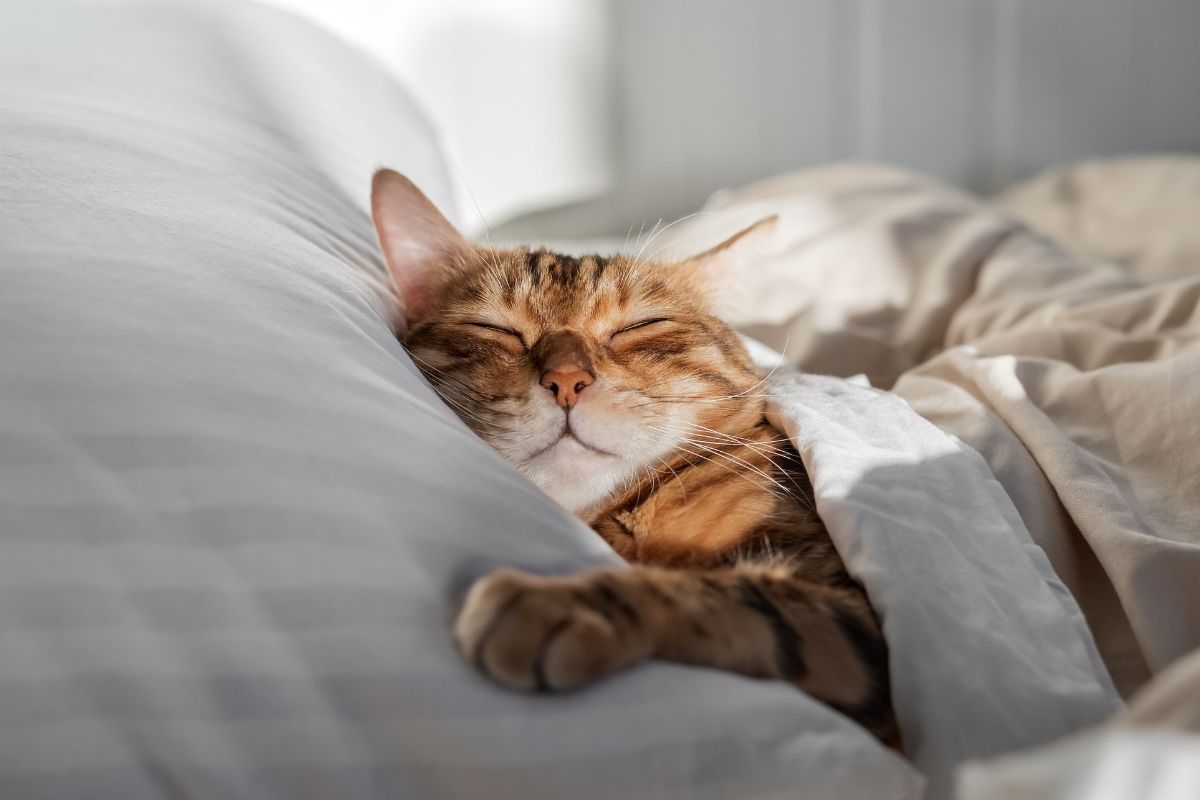
For open resting areas, opt for premium cat beds featuring structured, raised edges. The bolstered sides offer comfortable support for your cat to curl up against and rest their head on. Placing these secure beds in quiet corners helps anchor their territory, allowing sensitive cats to achieve deep, restful sleep cycles.

Provide places to scratch
Scratching is a natural cat behaviour that allows them to stretch, maintain their claws and leave scent marks. Offer a sturdy scratching post tall enough for a full stretch, alongside a horizontal scratching surface if your cat enjoys scratching at floor level. Different cats prefer different textures, so try options such as sisal and cardboard.
Place scratchers near favourite resting spots or areas your cat already likes to scratch, rather than hiding them away. For a stylish option, explore the Pacato cat scratcher in our guide.

Make time for interactive play
Alongside places to climb, hide and rest, indoor cats need opportunities to stalk, chase and pounce through play. These activities mimic parts of their natural hunting cycle. Boredom can contribute to feline anxiety, so make time for daily interactive play sessions.
Bring playtime to life with feather wands and teaser toys, moving them to mimic rodents or insects. Let your cat track, stalk and catch the toy during play, rather than keeping it constantly out of reach. For variety between play sessions, offer hide-and-seek toys such as ZippyClaws burrow cat toys for your cat to investigate. You can finish the play session with a small treat or a portion of your cat’s usual meal. For treat ideas, see our guide to the best single-ingredient cat treats.
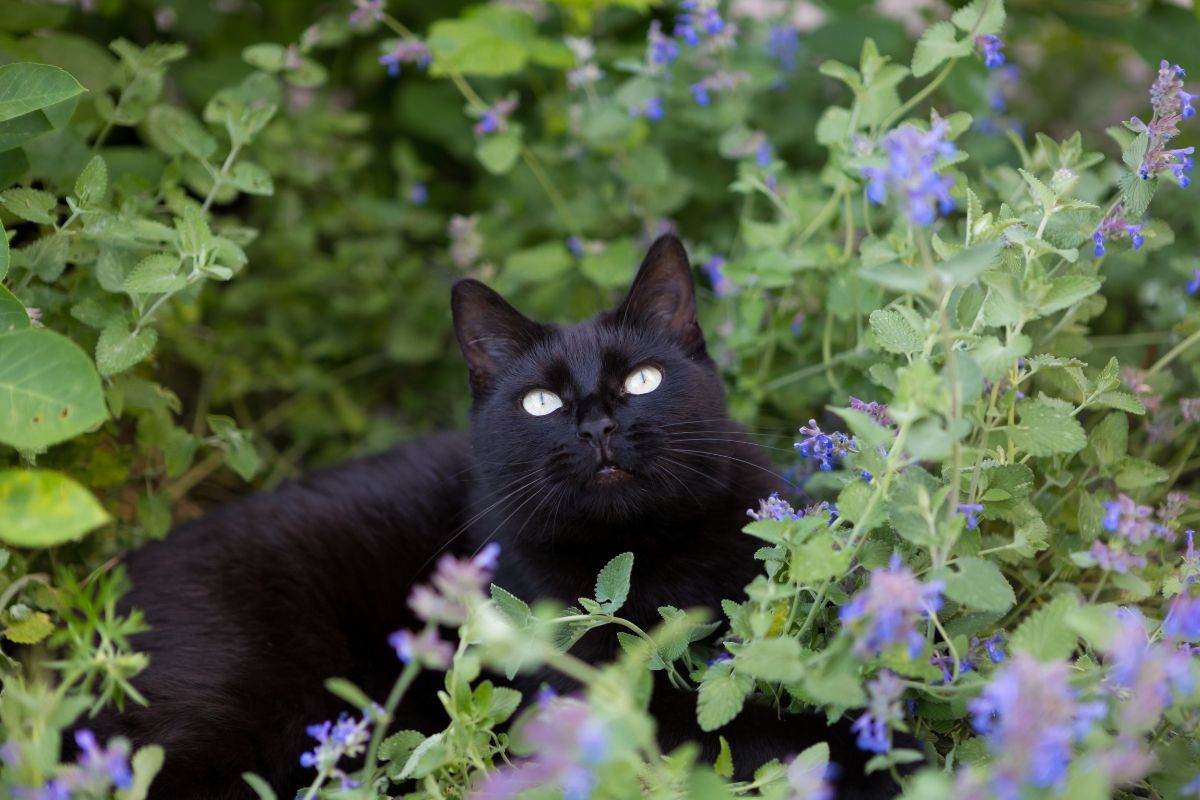
For more sensory enrichment, try growing plants your cat can sniff and explore. Our guide to growing catnip and cat grass covers easy planting steps and everyday care.
Harness walks for cats who enjoy exploring
Some cats may enjoy exploring outdoors on a harness, but walks are optional and do not suit every cat. SPCA New Zealand supports harness walking when the equipment is appropriate, well-fitted and secure, the cat’s needs are met, and the activity stops if the cat shows signs of stress.
Introduce a cat-specific harness gradually indoors, using treats to build positive associations. Wait until your cat is comfortable wearing it before trying a short outing in a quiet garden. Attach the lead to the harness, not a collar, keep it slack and let your cat choose the pace rather than pulling them along. Avoid roads, dogs and busy areas, supervise throughout, and return indoors if your cat becomes frightened or uncomfortable. Remove the harness after the outing and keep microchip contact details up to date in case of escape.
Do not force walks or treat them as a remedy for anxiety. If your cat prefers staying inside, indoor play, climbing spaces and hiding spots remain useful enrichment options. A secure catio can offer another way to explore outdoor sights and smells without a lead.
Litter box placement for a low-stress home
One of the primary triggers for behavioural stress and inappropriate elimination in homes is litter box placement and availability. Cats are highly territorial over their elimination sites, and in a multi-cat home, a single box can quickly become a source of resource guarding or environmental conflict.
The golden rule for any multi-cat home is to provide one litter box per cat, plus one extra. Even in a single-cat home, maintaining two distinct boxes is beneficial, as many cats instinctively prefer to urinate in one location and defecate in another. Ensure these boxes are placed in separate, low-traffic rooms rather than lined up side-by-side, giving your cat a private, unhurried space.
Choose a low-dust, unscented natural cat litter without added artificial fragrance, as some cats find strong scents off-putting and may avoid the litter box. For more on household scents, read our guide to air fresheners and cat safety.
Calming the nervous system: lick mats and pheromone diffusers
When dealing with environmental changes such as introducing a new pet, moving house, or managing loud disruptions like fireworks, tactile lick mats and pheromone products can provide comfort to an overstimulated nervous system.
- Lick mats for cats: the repetitive action of licking triggers a calming response in a cat's brain, naturally slowing their heart rate and lowering cortisol levels. Utilising silicone or rubber mats allows you to spread smooth purées or wet meals directly into the textured surface. This turns a high-value snack into an extended, self-soothing ritual. For ideas on what to serve, check out our feature on slow feeders and textured lick mats.
- Synthetic pheromone diffusers: plug-in diffusers, such as Feliway, or localised cat calming sprays utilise synthetic copies of the natural feline facial pheromones that cats deposit when rubbing their cheeks against surfaces to mark a space. Emitting these odourless, comforting signals throughout your main living areas creates an invisible layer of reassurance, stabilising territorial anxiety and reducing stress behaviours without sedating your animal.
What the experts say about using pheromones to calm cats
The active ingredients are synthetic versions of the natural pheromones found around a cat's face. These chemicals signal comfort and contentment to cats. By releasing similar fake pheromones into the environment, it can prevent stress behaviors like crying, scratching, and hiding.
— Dr. Sara Ochoa, DVM, via Chewy
Creating a low-stress home for your cat
Providing climbing perches, hiding spots, scratching surfaces, clean litter boxes and daily play gives your cat more opportunities to express their natural behaviours at home. For ideas on giving your cat safe access to the outdoors, explore our guide to catio inspiration in NZ.
Frequently asked questions about indoor cat enrichment
How many litter boxes do I need for two indoor cats?
For two indoor cats, you should have a minimum of three litter boxes distributed around your home. Placing them in separate locations is crucial, as lining them up side-by-side counts as a single resource zone in a cat's mind and can lead to dynamic blocking behaviours or territory friction.
How long does it take for a pheromone diffuser like Feliway to work?
Synthetic pheromone diffusers generally begin dispersing comforting scent signals into a room within the first few hours of being plugged in. However, visible behavioural changes in anxious or territorial cats typically take anywhere from one to two weeks of continuous use to become fully established.
What should NZ cat owners look for in a scratching post?
A good cat scratching post has a stable base and lets your cat stretch fully while scratching. For anxious cats, look for modular scratching setups like the Pacato cat scratcher that allow you to swap out worn kraft rope blocks, ensuring the scratching surface always remains stable and textured enough to catch scent deposits cleanly.