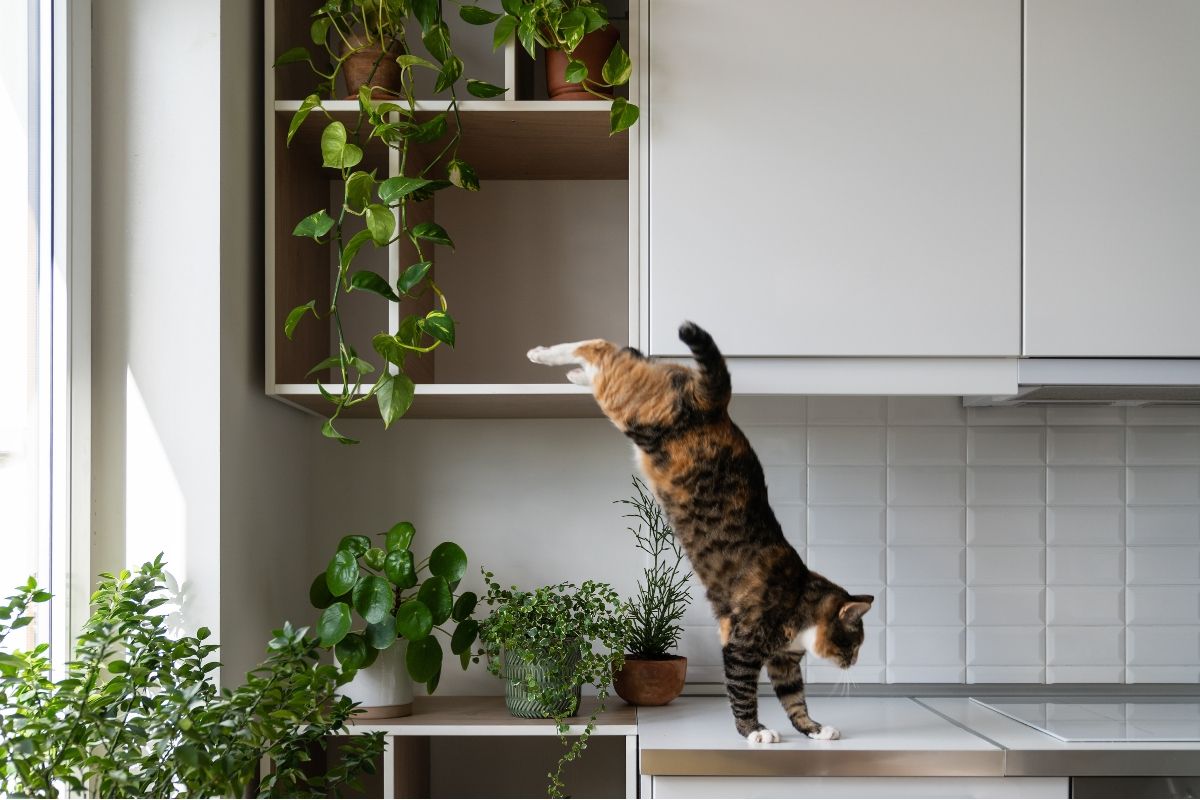
Bringing the outdoors inside can give your cat new things to explore, but some popular houseplants are toxic to cats. Growing cat grass and organic catnip on your windowsill offers a safer alternative, giving your cat opportunities to sniff, nibble and explore while encouraging natural feline foraging behaviours.
Growing your own organic catnip and cat grass is a simple way to provide indoor cat enrichment and keep them entertained. It is an affordable DIY project that adds variety to your cat’s day. Cat grass also provides a little extra dietary fibre for cats that enjoy nibbling it.
Here’s how to grow organic catnip and cat grass at home in New Zealand.
Why organic catnip and cat grass are great for enrichment
In the wild, cats naturally explore their environment through scent, taste, and texture. For an indoor kitty, life can sometimes get a little repetitive. Growing non-toxic plants for your cat offers a wonderful sensory experience to help relieve boredom.
Growing cat grass and catnip yourself gives you more control over the seeds, potting mix and any treatments used on the plants. It is a simple, mindful step towards practising sustainable pet ownership in NZ.
Cat grass and catnip give your cat plants of their own to explore, but they won’t necessarily stop them investigating other greenery. Check your home for houseplants toxic to cats and replace them with non-toxic alternatives.
How to grow fresh cat grass at home
Cat grass isn't a specific plant species. It is usually grown from a mix of wheat, barley, oat, or rye seeds. You can easily find these in organic seed kits at local garden centres. It grows incredibly fast, making it a perfect weekend project.
While cats are obligate carnivores, grazing on soft plant matter is a deeply rooted natural instinct. As explained by the veterinary team at Hill's Pet Nutrition NZ, the natural plant fibre and folic acid found in fresh cat grass act as a digestive aid, helping move food through the gastrointestinal tract to assist with natural hairball management and minor stomach upsets.

Cat grass timing and growing conditions
Cat grass often sprouts within a few days, but timing varies with the seed species and growing conditions. Check your seed packet for the recommended temperature, sowing method and germination window rather than using one timetable for every type.
As a general guide, VCA Animal Hospitals advises that cat grass is usually ready to offer 10–14 days after sowing, or when it reaches about 10 centimetres tall.
- Get the right seeds: look for organic, untreated wheatgrass or cat grass seeds at your local New Zealand garden supply store.
- Pick a shallow container: drainage is key to preventing mould, so choose a wide, shallow pot with holes at the bottom. Terracotta or ceramic pots are heavy enough that your cat won't easily knock them over.
- Planting: fill your pot with an organic potting mix, leaving a few centimetres at the top. Scatter the seeds thickly across the soil in a single layer and cover them lightly with a thin dusting of extra soil.
- Water and wait: mist the soil with water so it stays damp but not soggy. To speed up germination, you can cover the pot loosely with cling film to trap the moisture. Place it in a warm, bright spot out of direct sunlight.
- The sprout stage: remove the cling film as soon as you see green shoots appear, usually within a few days. Move the pot to a sunny windowsill.
- Serving it up: once the grass reaches about 10 centimetres high, it is ready for your cat to enjoy. Let them sniff, rub against, and chew the blades directly from the pot.
Tip: Cat grass usually lasts for a few weeks before it starts to yellow. To keep a constant supply on hand, start a new pot every fortnight.
How to grow organic catnip in New Zealand
Catnip (Nepeta cataria) belongs to the mint family and contains nepetalactone, a compound that can trigger a playful response in some cats, sometimes followed by a relaxed spell. Not all cats respond to catnip, as sensitivity is influenced by genetics and age.
Catnip timing and growing conditions
Catnip takes longer than cat grass to grow into a harvestable plant. Follow your seed packet’s instructions for temperature and light conditions, and use its germination window as a guide rather than expecting every seed to sprout together.
Sprouting is not the same as being ready to harvest. Wait until the plant is established before taking individual leaves, and keep young seedlings protected from your cat while they grow.
- Sowing the seeds: catnip seeds can be started indoors at any time of year. Gently press the seeds into a high-quality organic potting mix, but do not bury them too deeply.
- Sunlight and water: catnip loves a sunny spot. Place your pots on a bright, warm windowsill and water them when the top centimetre of soil feels dry.
- Pruning for growth: once your catnip plant establishes itself, pinch off the top leaves regularly. This encourages the plant to grow bushier and prevents it from getting too woody or going to seed too early.
- Using the harvest: you can lightly bruise fresh catnip leaves before offering them for your cat to sniff or roll on, or you can harvest a bunch of stems and hang them upside down in a warm, dry room. Once dry, crumble the leaves and use them to fill handmade fabric toys.
Troubleshooting cat grass and catnip
Why haven’t my seeds sprouted?
Check the packet’s expected germination window, temperature and sowing depth before starting again. Keep the growing mix moist rather than waterlogged, and do not let germinating seeds dry out. Some catnip seed instructions recommend chilling before sowing to help germination, so check your packet for any preparation needed. A delay does not necessarily mean the seeds have failed.
Why is my cat grass turning yellow?
Yellowing can have several causes. Pet Greens’ care guidance identifies excess water and heat, insufficient light, and the crop reaching the end of its life as possible reasons. Check drainage, soil moisture and light before adding more water. Replace an ageing crop rather than expecting the same pot to stay green indefinitely.
What should I do if mould appears?
Keep mouldy grass away from your cat and discard the affected crop and growing mix. Wash the container before starting again with fresh material. To reduce the chance of mould, avoid overwatering, provide drainage and airflow, and remove the germination cover when shoots appear. MICHU’s cat grass guidance recommends discarding visibly mouldy crops rather than rinsing them for feeding. Fine root hairs can resemble mould; if you are unsure, keep the crop away from your cat and start again.
Creating a cat-friendly garden
You can grow cat grass and catnip indoors or create a dedicated pet-friendly garden zone outside.
Experts at Southern Cross Pet Insurance suggest incorporating pots of fresh cat grass and catnip play sessions as ideal ways to bring the benefits of nature indoors.
Another option is to create a dedicated growing space in a secure catio or outdoor cat enclosure. A secure catio lets your cat enjoy fresh air and outdoor sights while reducing the risks associated with roaming.
Placing your freshly grown pots of cat grass live catnip inside a secure outdoor catio enclosure creates an immersive, sensory playground. It is the perfect finishing touch for a thoughtful, eco-conscious home. For more ideas on how to craft a more sustainable, cat-friendly home for your pet, take a look at our complete guide to eco-friendly essentials for cats.
Frequently asked questions about growing catnip and cat grass
Is cat grass safe for cats to eat every day?
Yes, cat grass is safe for cats to nibble on daily. It provides dietary fibre that aids digestion and assists with natural hairball management, though you should discard the pot if you notice any mould developing in the soil.
Why does my cat not react to catnip?
The reaction to catnip is hereditary, and roughly one-third of all felines do not inherit the "catnip gene". If your cat doesn't respond to catnip, you can try offering them fresh cat grass or silver vine instead for an alternative sensory experience.
Can you plant catnip outside in New Zealand?
You can plant catnip outside, but because it belongs to the mint family, it can quickly spread and take over your garden beds. It is best to grow catnip in pots or self-contained planters to keep it from dominating your outdoor space.