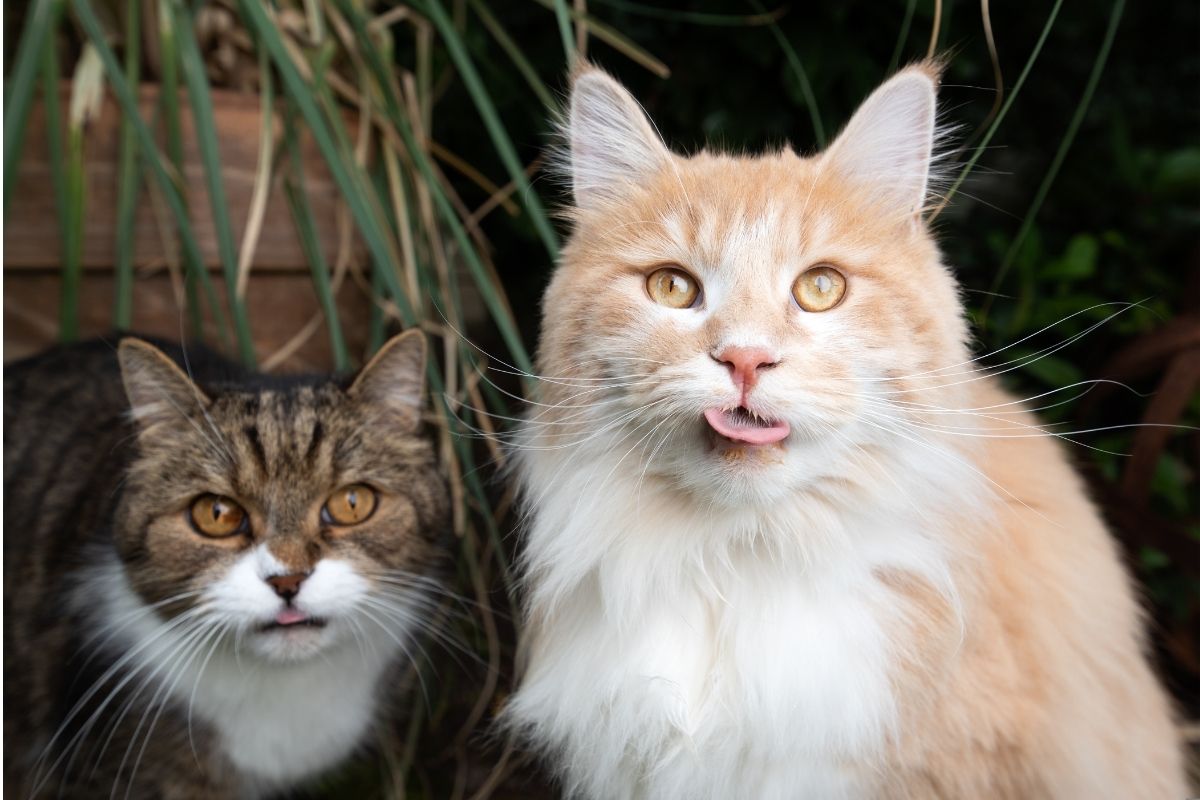
For modern cat parents, the decision to keep felines indoors is a compassionate choice. It protects our pets from busy New Zealand roads and actively safeguards our precious native birdlife. However, indoor cats still require mental stimulation, fresh air, and sunshine to truly thrive.
An outdoor cat enclosure, affectionately known as a catio, offers the ultimate solution. It gives your kitty a secure slice of nature without any of the traditional outdoor hazards.
Below is a complete guide on how to plan, design, and build a beautiful DIY catio enclosure that complements your Kiwi home.
The benefits of a catio lifestyle for indoor cats
A secure outdoor cat enclosure can make a big difference to your cat’s mental and physical wellbeing. Renowned cat behaviourist Jackson Galaxy is a passionate advocate for outdoor enclosures, viewing them as a critical tool for environmental management.
A catio is an amazing compromise for an indoor cat. It allows your cat to experience the best parts of the outdoors: the fresh air, sunshine, smells, and sights, while keeping them safe from cars, predators, and disease. It gives them the stimulation they crave without the danger. — Jackson Galaxy, Keeping Cats Indoors
A catio achieves this by addressing your cat's core needs:
- Environmental enrichment: The natural sights, rustling leaves, and outdoor scents stimulate their senses, keeping boredom entirely at bay.
- Safe physical exercise: Multi-level vertical climbing shelves encourage active jumping, scratching, and stretching, helping indoor cats maintain a healthy weight.
- Total peace of mind: You can relax knowing your furry family member is protected from fights with neighbourhood cats and traffic hazards.
Protecting our precious Kiwi wildlife
Beyond the immediate health benefits for your pet, catios serve a critical ecological purpose in Aotearoa. New Zealand’s native birds, lizards, and insects evolved in the absence of mammalian predators, making them incredibly vulnerable to cats’ natural hunting instincts.
By utilising a secure enclosure, you actively prevent your cat from hunting vulnerable species like the tūī, pīwakawaka (fantail), and native skinks. This responsible pet ownership choice allows you to contribute directly to local conservation efforts while still giving your pet a rich outdoor lifestyle. If you want to see how other local pet parents in New Zealand have styled theirs, take a look at these cool catios on Predator Free NZ for some backyard inspiration.
Key elements of a successful catio design
Whether you are converting a compact suburban balcony or building a sprawling freestanding cat enclosure on a lawn, ensure your design includes these essential features:
1. Vertical climbing paths and perches
Cats feel safest when they are elevated. Install a series of weather-resistant cedar shelves, sturdy ramps, and vertical climbing poles wrapped in heavy sisal rope. Varying heights allow them to survey their territory like true backyard kings and queens.
2. Weatherproof lounging zones
The unpredictable Kiwi weather means your catio needs proper protection. Incorporate a solid clear roof section to block sudden rain showers while allowing natural light through. Ensure there is also a shaded, well-ventilated corner to protect your cat from harsh summer UV rays.
3. Cat-safe greenery and plants
Adding live plants makes your catio look stunning and provides a safe sensory experience. However, many common garden plants (like lilies) are highly toxic. Stick exclusively to confirmed pet-safe plants, alongside hardy sensory herbs, such as:
- Catnip (Nepeta cataria): the ultimate feline favourite. Plant this in a heavy pot where your cat can roll around, sniff, and nibble the leaves for a safe, blissful burst of environmental enrichment.
- Catmint (Nepeta x faassenii): a beautiful, hardy alternative to catnip that boasts lovely purple flowers. It releases a similar attractive scent when crushed, stands up well to enthusiastic feline rubbing, and loves sunny outdoor spots.
- Cat grass and wheatgrass: excellent for indoor cats to chew safely, assisting with digestion and hairball management.
4. Weatherproof covered litter stations
Moving a litter tray into the catio is a fantastic way to keep smells out of your main house. To make this work outdoors, include a covered litter tray within the enclosure. A covered design protects the tray from sudden gusty winds and rain, ensuring the litter stays dry. Pair your outdoor tray with an eco-friendly, sustainable cat litter to reduce your cat's carbon pawprint and protect the outdoor environment.
5. Outdoor hydration and refreshment hubs
Spending time outdoors watching birds and chasing insects can be thirsty work for a cat. Because felines naturally have a low thirst drive, establishing an outdoor drinking station is crucial to keep them healthy. Consider adding a shaded water station or a sheltered electric fountain within your design. For more information about why many cats prefer moving water, check out our guide to cat hydration and water fountains.
6. Heavy-duty scratching logs and posts
To save your indoor furniture from sharp claws, your outdoor enclosure needs plenty of dedicated scratching surfaces. Instead of standard indoor carpet trees that grow mouldy in humid weather, opt for rugged, natural elements:
- Natural tree branches & logs: source untreated, solid wooden logs (like fallen kānuka or eucalyptus) and secure them vertically or diagonally. The rough bark provides an incredibly satisfying texture for claw shedding and conditioning.
- Weatherised sisal posts: wrap structural timber support beams tightly with heavy-duty, marine-grade sisal rope. This transforms your catio’s framing into an ultimate, floor-to-ceiling scratching zone.
7. Safe feline entertainment zones ("cat TV" and tunnels)
A great catio isn't just a cage—it's an interactive playhouse. Keep your cat active and mentally engaged throughout the day with these stimulation setups:
- Interactive cat play tunnels: run crinkly weather-resistant tunnels along the perimeter walls. These play tunnels provide hidden pathways for your cat to dart through, stalk from, or hide inside during zoomie sessions. Wire mesh tunnels are also excellent for connecting the main catio to other areas of the garden. For a high-quality ready-made option, consider the Omlet Catio Tunnel System, available in New Zealand from Appletons and Chooks NZ. It is an excellent way to connect different sections of a larger enclosure.
- Strategic bird feeding stations: position a wild bird feeder or a birdbath just a few metres outside your wire mesh screen. This gives your cat a safe, front-row seat to live "cat TV". It triggers their natural tracking instincts without posing any danger to our local New Zealand wildlife.
- Suspended weatherproof toys: use durable string or bungee cords to hang crinkly balls, plush mice, or large feather toys directly from the ceiling joists or high perches. When the afternoon wind blows through the enclosure, these toys will dance and bounce on their own, inviting spontaneous chase and pounce sessions.
8. Sun shades and cosy outdoor bedding
While cats famously love sunbathing, our fierce New Zealand UV rays mean you must design your layout with heat safety and ultimate comfort in mind.
- UV-blocking sun shades: install durable outdoor shade sails or woven bamboo blinds across a section of the wire roof or sunny walls. This creates a cool microclimate where your kitty can enjoy the breeze without overheating.
- Elevated cat hammocks: suspend weather-resistant fabric or mesh hammocks between your catio's structural posts. Hammocks are a brilliant, space-saving choice that contours safely to your cat's body while providing cool airflow underneath.
- Weatherised cushion beds: place plush, water-resistant cat beds on the shaded wooden shelves. Opt for robust outdoor canvas fabrics that don't trap moisture or humidity, ensuring your cat’s sleeping spots stay fresh, dry, and clean year-round.
Simple and popular catio layout ideas
- The window box catio: a budget-friendly, compact option that attaches directly onto an open window frame, letting your cat step out onto a small, secure wire balcony.
- The covered deck extension: a fantastic weekend project that utilises an existing porch or veranda structure by screening it in with heavy-duty pet mesh wire.
- The freestanding garden oasis: a larger standalone structure placed directly on your lawn or patio, connected to the house via a secure mesh tunnel.
Note: Some small, detached structures may not require building consent in New Zealand. Check with your local council before starting your catio, as location, height, boundary, and planning rules can still apply.
Creating an enriching pet lifestyle
Building a custom catio is an incredible, long-term investment in your cat’s quality of life. It seamlessly bridges the gap between indoor safety and outdoor freedom.
Looking for more clever ways to optimise your home and lifestyle for your animals? Check out our comprehensive guide, The Kiwi pet lifestyle guide: Exploring and living well with your pets!

Leave a comment
All comments are moderated before being published.
This site is protected by hCaptcha and the hCaptcha Privacy Policy and Terms of Service apply.