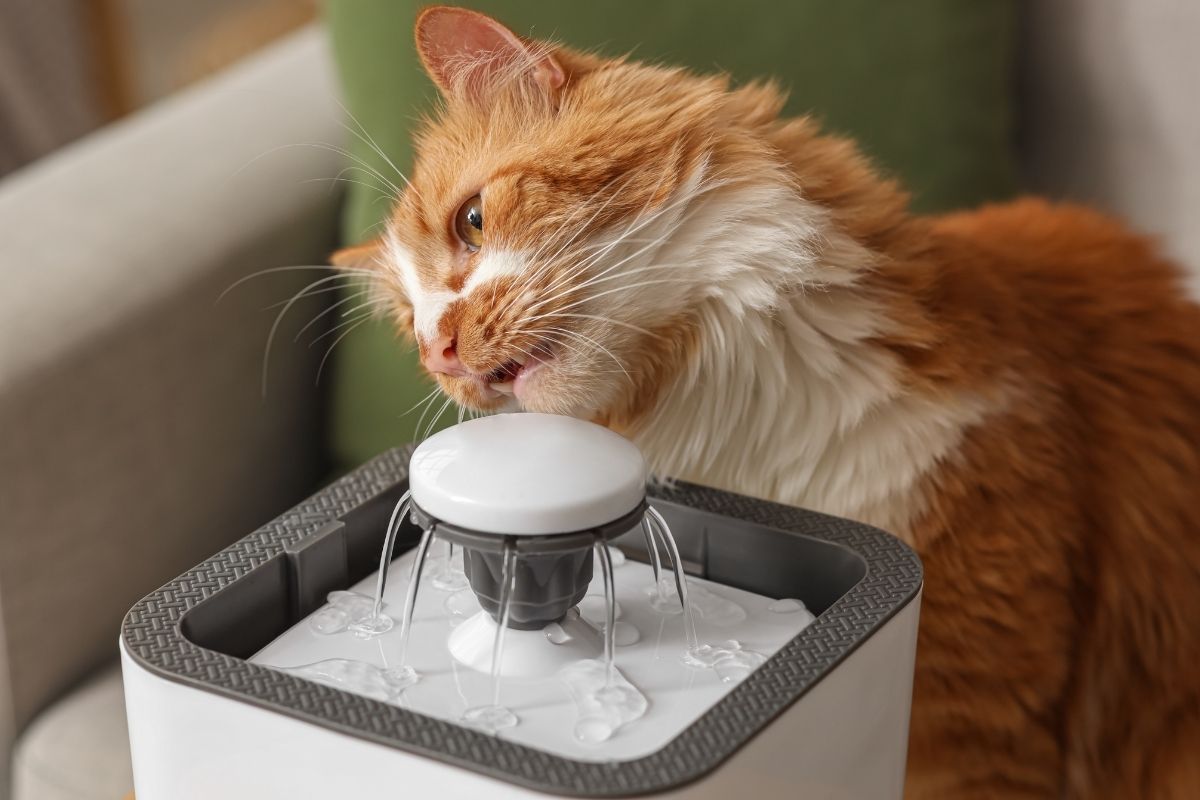
Cats have a notoriously low thirst drive. As natural desert descendants, their bodies evolved to get most of their water from their prey.
For modern domestic cats whose diet is primarily composed of dry kibble, this tendency to drink very little water can lead to chronic dehydration. Over time, chronic dehydration can contribute to serious health issues such as urinary tract crystals, kidney disease, and cystitis.
Ensuring your cat stays properly hydrated is essential for their long-term health. Here are some effective ways to encourage your cat to drink more water.
Why domestic cats avoid still water
If you leave a plastic bowl of water right next to your cat's food dish, they may ignore it. In the wild, cats may avoid standing water near their prey because it could be contaminated. Some cats may also be less inclined to approach still water in a small bowl.
Expert insight: what NZ vets say
This is why New Zealand vets often recommend increasing fluid intake rather than relying only on a standard water bowl.
Cats with Chronic Kidney Disease (CKD) are more likely to become dehydrated (due to the reduced ability of the kidneys to conserve water). Maintaining a good fluid intake is therefore very important, and may help to slow progression of CKD. Use tinned or sachet food, or a water fountain, to ensure adequate water intake.
— Rangiora Vet Centre, FAQ: Chronic Kidney Disease
Add moisture-rich wet food
One of the easiest ways to increase your cat's water intake is to add moisture-rich food to their diet. Dry cat food contains roughly 10% moisture, whereas premium wet food or canned meals contain closer to 75–80% moisture. Choosing a high-quality, moisture-rich wet food can help your cat consume more water with each meal.
Moisture-rich wet foods in NZ for hydration
When selecting a wet food, look for high meat percentages and brands that avoid unnecessary fillers. The following Kiwi-favourite brands offer highly palatable, moisture-rich recipes that cats love:
- ZIWI Peak: known for its biologically appropriate recipes. Its canned wet foods feature over 91% meat, organs, and green lipped mussels, packed in a moisture-rich broth that can help increase water intake. (Approximately $3.60–$5.90 per can, depending on size.)
- Feline Natural: a New Zealand-made option. Its cans are free from gelling agents like carrageenan, using only fresh New Zealand water to create a nutrient-dense, high-moisture meal. (Approximately $3.80–$5.50 per can.)
- Trilogy: its recipes are formulated to mimic a cat's natural diet. Its premium ranges focus on moisture, with rich gravies and meat pieces. (Approximately $3.50–$4.50 per can or pouch.)
Boost hydration with purée lickable treats
If your cat turns their nose up at standard wet food, liquid purée treats are a popular option for increasing fluid intake. These treats have a high moisture content, often around 85–91%, and are highly palatable for many picky eaters.
- VetSynova VF+ Core KC Kidney Care Complex: a low-sodium veterinary formula presented as a tuna and salmon purée treat. It is made without by-products and is designed to support cats with renal conditions. With 84% moisture, it can also help support fluid intake. (Approximately $2.00 per sachet, or less with Autodeliver.)
- Inaba Churu Purées: a popular lickable treat option. These creamy tubes are packed with moisture and free from grains, preservatives, and artificial colours. You can feed them directly from the tube, use them as a hydrating topper on dry kibble, or mix them with a splash of extra water to make a savoury soup. (Approximately $7.00–$9.00 per four-pack.)
- Dine Melting Soups: widely available in NZ supermarkets. These fish or meat slices are served in a savoury soup broth, offering cats a tasty way to take in extra moisture. (Approximately $1.80–$2.50 per pouch.)
You can purchase these ranges through online retailers like Petdirect or your local vet clinic.
Invest in a circulating pet water fountain
Many cats are attracted to moving water, and a circulating fountain may encourage them to drink more. The movement can also help keep the water fresh between changes.
The benefits: Many fountains use filters to help remove hair and debris while keeping the water moving. Ceramic or stainless-steel fountains are worth considering because plastic can scratch more easily and may harbour bacteria.
Top circulating water fountains available in NZ
To keep the water appealing, clean, and flowing, consider choosing one of these fountains for your cat:
- Catit Pixi Stainless Steel Fountain: a popular choice featuring a hygienic stainless-steel top. It offers multiple drinking options, including a pool, flow, and bubbles, and includes a triple-action filter to help clear out debris. (Approximately $115–$149 NZD.)
- Petkit Eversweet Wireless Ceramic Fountain: a premium option for cat owners who prefer ceramic. Made entirely of high-temperature-fired ceramic, it operates via a safe wireless pump and features an ultra-quiet, smart filtering system. (Approximately $80–$119 NZD, depending on the specific model.)
- Pioneer Pet Raindrop Ceramic Fountain: this sturdy ceramic fountain is designed to be stable. Its slide design allows water to flow gently without loud splashing, which may suit timid indoor cats. (Approximately $100–$130 NZD.)
Separate the food and water stations
Move your cat's water dishes away from their feeding area and litter tray. Place multiple water stations in quiet, low-traffic areas around your home where your cat can drink in peace.
Quick hydration checklist for cat owners
- Move water bowls at least two metres away from food bowls.
- Switch to ceramic or stainless-steel dishes instead of plastic.
- Add a splash of salt-free bone broth to their meals as an extra treat.
- Refresh their water daily.
Pro tip: monitor kidney health via the litter box
Because cats are notorious for hiding illnesses, early-stage dehydration and kidney decline can be incredibly difficult to spot until significant kidney function has already been lost. Thankfully, some newer tools can make it easier for pet parents to monitor possible changes in kidney and urinary health at home.
Some diagnostic litters, including New Zealand's Fit Litter, use micro-crystal technology with non-toxic chemical indicators. When your cat urinates, the crystals may change colour depending on the urine's pH and the presence of blood:
- Dark yellow / olive green: may indicate a normal baseline.
- Orange: may indicate abnormal acidity, which can be associated with metabolic or kidney problems.
- Blue: may indicate abnormal alkalinity, which can be associated with a urinary tract infection or an increased risk of urinary stones.
- Red: may indicate blood and should be followed up promptly with your vet.
Using a diagnostic crystal litter like Fit Litter (approximately $40 NZD for a one-month supply) may give you a daily, non-invasive way to monitor possible changes in your cat's health. Treat any colour change as a prompt to seek veterinary advice rather than as a diagnosis.
Quick tips to sneak extra water into your cat's day
If your cat is reluctant to drink, try these simple hydration tips:
- Add warm water or bone broth: mix warm water or salt-free bone broth directly into their wet food to create a delicious gravy.
- Use wide, shallow bowls: if using regular bowls, ensure they are wide enough that your cat's whiskers don't brush against the sides, which some cats may find uncomfortable.
- Freeze the purée: in the summer months, freeze a tube of Inaba Churu into small popsicles for a cooling, hydrating treat.
Checklist: signs of dehydration to watch for
Because cats are masters at hiding discomfort, you should regularly perform these quick checks to ensure your cat isn't running on empty:
- The “skin tent” test: gently pinch the skin between your cat's shoulder blades and let go. It should snap back instantly. If it stays up or sinks back slowly, your cat may be dehydrated.
- Sticky or tacky gums: lift your cat's lip and touch their gums. They should be wet and slippery. If they feel sticky or dry, contact your vet, as this can be a sign of dehydration.
- Sunken, dull eyes: dehydration can reduce fluid pressure behind the eyes, making them look hollow or less vibrant.
- Lethargy or hiding: a sudden drop in energy or an increase in unusual hiding behaviour can indicate that your cat is feeling unwell.
Note: If your cat is showing signs of dehydration, contact your local vet immediately.
Healthy hydration, happy cat
Keeping your cat hydrated doesn't have to be a daily struggle. By introducing moisture-rich wet foods into their rotation and adding a circulating fountain, you can help support their kidney health and overall wellbeing.
Discover more expert tips on feline diet optimisation in The Complete Guide to Modern Pet Wellness & Nutrition for Kiwi Pet Parents!

Leave a comment
All comments are moderated before being published.
This site is protected by hCaptcha and the hCaptcha Privacy Policy and Terms of Service apply.