Indoor plants and fresh flowers bring life and colour into your home, but some can pose serious risks to cats. For New Zealand households with indoor cats, choosing what goes into your planters and vases is an important part of creating a safer living space.
Suspect your cat has chewed a toxic plant? Contact your vet immediately. Do not wait for symptoms.
If you’re already checking your home for hazards such as air fresheners and essential oils, your plants and bouquets deserve attention too. Some common houseplants and seasonal flowers can be toxic to curious cats that chew leaves or investigate arrangements.
This guide covers common plants and flowers that are toxic to cats, safer alternatives for New Zealand homes, and what to do if you suspect poisoning.
Why indoor plants and flowers pose a risk to curious cats
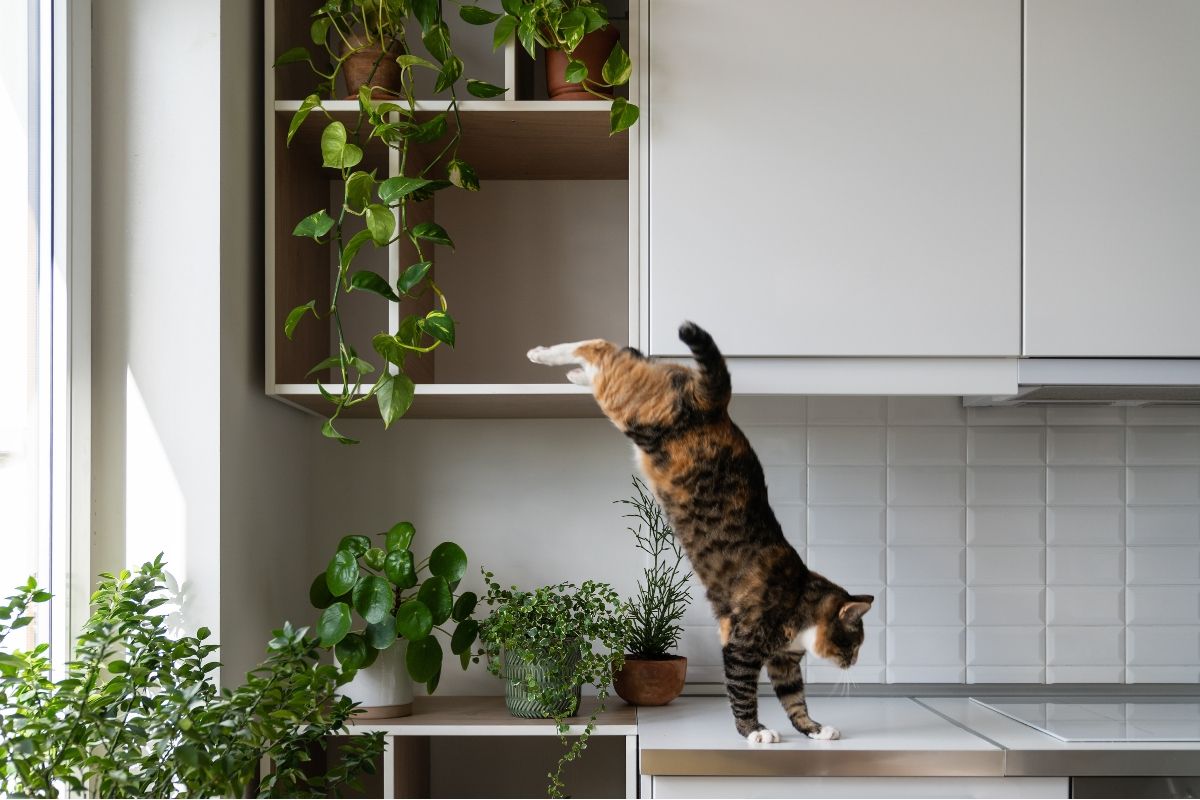
Dangling leaves and fresh flowers can attract a cat’s curiosity, and some cats enjoy chewing on plants. When cats chew a toxic plant, they may swallow harmful substances. Bouquets can also pose a risk if they contain flowers that are toxic to cats, especially when placed on accessible tables or kitchen benches.
Some houseplants, including monstera and pothos, contain insoluble calcium oxalate crystals that can irritate a cat’s mouth when chewed. Other plants and flowers contain toxins that can cause more serious poisoning.
Common houseplants and flowers that are toxic to cats
Before buying a houseplant or bringing home fresh flowers, check whether they’re toxic to cats. Here are some common houseplants and flowers to avoid in homes with cats.
1. True lilies (Lilium and Hemerocallis species)
True lilies, including tiger lilies, Asiatic lilies, Easter lilies, stargazer lilies and daylilies, are profoundly toxic to felines. Even a nibble on a leaf, drinking the water from the vase, or licking lily pollen off their fur during self-grooming can cause life-threatening kidney damage. Suspected lily exposure requires immediate veterinary attention, even if your cat seems well.
For more information, see the ASPCA’s lily toxicity guidance.
2. Monstera (Monstera deliciosa)
Are monsteras toxic to cats? Yes, Monstera deliciosa contains insoluble calcium oxalate crystals. If an inquisitive cat bites a leaf, the crystals can embed into the mouth lining, causing immediate, intense burning, oral swelling, excessive drooling, and difficulty swallowing.
3. Tulips and daffodils (Tulipa and Narcissus species)
Popular in spring floral arrangements across New Zealand, both tulips and daffodils are flowers that present severe risks to cats. While the underground bulbs contain the highest density of toxins, chewing on the vibrant cut flowers or stems can cause gastrointestinal irritation, drops in blood pressure, loss of coordination, and tremors.
4. Pothos or devil’s ivy (Epipremnum aureum)
Many people wonder if pothos is safe for cats due to its popularity in hanging baskets. Unfortunately, devil's ivy is toxic. Even in a hanging basket, trailing vines and fallen leaves may remain within your cat’s reach.
For more information on signs of exposure, see the ASPCA’s pothos toxicity guidance.

5. Chrysanthemums (Chrysanthemum spp.)
Commonly known as "mums" and frequently featured in autumn bouquets, these cut flowers contain pyrethrins. Ingesting the flower heads or leaves causes a toxic reaction in felines, leading to vomiting, diarrhoea, excessive drooling, and a temporary loss of coordination.
Safer indoor plants and flowers for NZ homes
You can still enjoy greenery and fresh flowers while choosing plants carefully around your cat. The ASPCA’s toxic and non-toxic plant database can help you check individual species before bringing them home.
1. Calathea (Calathea spp.)
If you love the dramatic, patterned look of a Monstera, choose a Calathea instead. Varieties like the rattlesnake plant or prayer plant feature stunning, colourful foliage that is generally safe for inquisitive paws and teeth. They do well in bright, indirect light, away from direct sun and cold draughts.
2. Roses and orchids
If you love displaying fresh-cut flowers, replace risky lilies and tulips with moon orchids or classic roses. Both are non-toxic to cats. Keep arrangements out of reach to discourage chewing, and remove thorns from rose stems.
3. Spider plant (Chlorophytum comosum)
Is the spider plant safe for cats? Yes, it is considered to be non-toxic. Its long, arching leaves add great texture to shelves or hanging planters.
4. Parlour palm (Chamaedorea elegans)
If you want to add vertical height to a room, opt for a parlour palm. These slow-growing, indoor palms thrive in low-light conditions and add a tropical vibe to your décor while remaining safe for felines.
5. Boston fern (Nephrolepis exaltata)
Boston ferns are non-toxic to cats, but not every plant called a fern is a safe choice. Asparagus fern, for example, is toxic to cats. Check the plant’s identity before buying, and discourage chewing even when choosing non-toxic plants.
What to do if you suspect your cat has chewed a toxic plant or flower
If you see your cat chewing a potentially toxic plant or flower, notice suspicious bite marks, or suspect exposure, contact your vet immediately. Do not wait for symptoms to appear.
Recognising the warning signs of plant poisoning
Symptoms can vary depending on the plant species and the amount eaten, but common indicators include:
- Severe drooling, foaming, or pawing at the mouth
- Swollen lips, tongue, or irritated gums
- Vomiting, diarrhoea, or refusal to eat
- Marked lethargy, hiding away, or unusual weakness
- Laboured breathing or sudden open-mouth panting
Urgent emergency steps
- Contact emergency care: phone your local veterinarian immediately. You can also visit the Animal Poisons Helpline website to find the contact phone number for your region and call for advice. Keep a sample of the plant or a clear photograph of the bouquet handy so the medical team can identify the exact species.
- Remove the source: take any remaining plant or flower material away from your cat's mouth, coat, and paws.
- Do not induce vomiting: never try to make your cat vomit unless explicitly instructed by a professional, as some plant tissues can cause further caustic damage on the way back up.
Designing a green space for your pet
If you want to give your indoor cat a safe, immersive nature experience, consider moving the greenery outside. Building or designing a secure outdoor catio enclosure allows you to plant an interactive garden specifically for your pet.
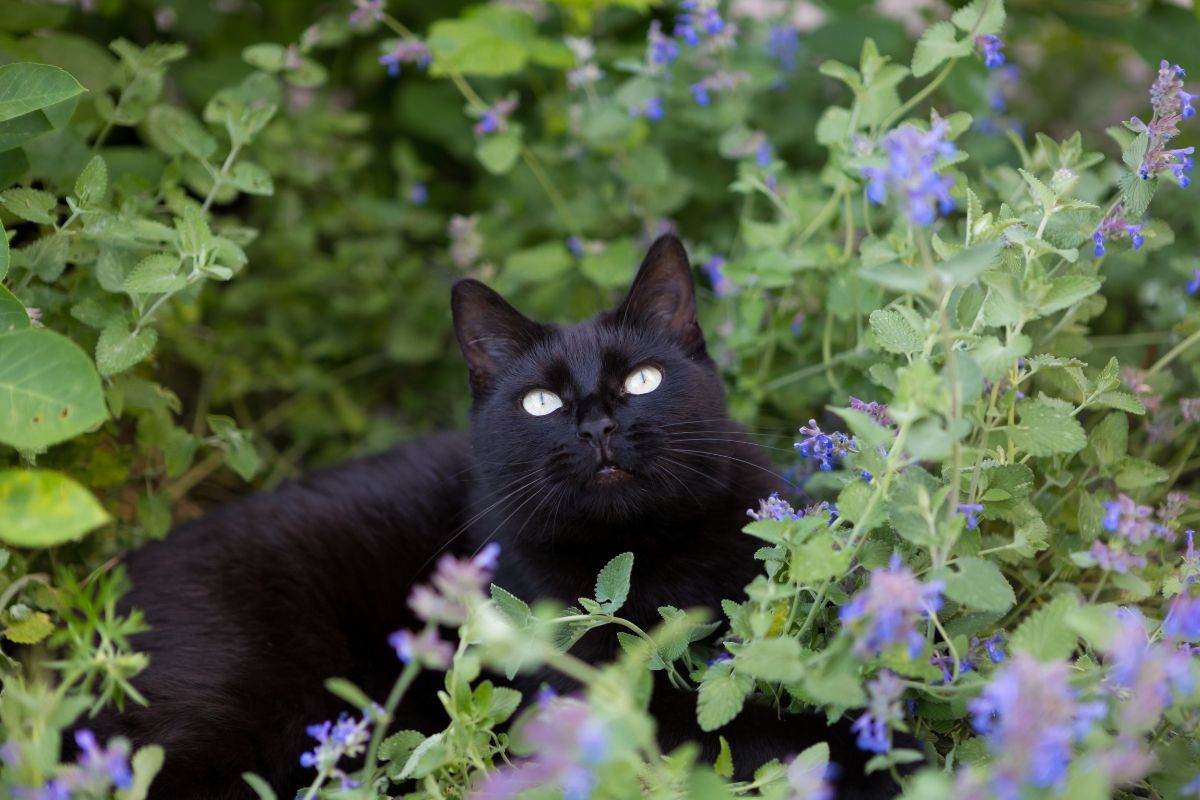
Growing cat grass or catnip in a secure catio can give your cat opportunities to explore, sniff and nibble. See our guide to growing catnip and cat grass for planting instructions and troubleshooting. Before adding any other plants to your catio, check their identity and whether they’re safe for cats.