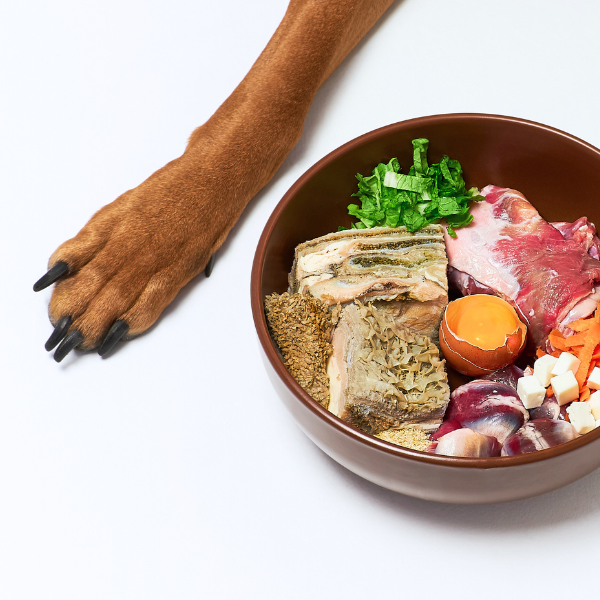
With many pet parents turning to nature for solutions, raw feeding has become a popular option for dogs. This comprehensive raw dog food guide is designed to help you understand the benefits and challenges of a raw diet for dogs, equipping you with the knowledge you need to make the best decision for your furry friend.

Understanding raw feeding for dogs
Raw feeding, or the Biologically Appropriate Raw Food (BARF) diet, involves feeding dogs a diet primarily composed of raw meat, offal (organ meats), bones, fruits, and vegetables, mimicking the diet of their wild ancestors. This diet is believed to promote healthier skin, shinier coats, cleaner teeth, and higher energy levels.
How to feed your dog a raw diet
While raw feeding is a natural approach to your dog's diet, it requires careful planning and preparation. Here's a basic guide to feeding your dog a raw diet.
- Evaluate your dog's needs: Factors like age, weight, activity level, and health condition can influence dietary needs. A growing puppy requires more protein, while an older dog may need fewer calories.
- Choose a variety of meats: A balanced raw diet includes a variety of meats, such as beef, chicken, lamb, or fish. Remember, organs are highly nutritious and should also make up a portion of the diet.
- Include bones and offal: Raw bones are a great source of calcium and phosphorus. Organs like liver and kidney are packed with nutrients and should be included in a raw diet in appropriate quantities. Green tripe is a superfood for dogs and should be fed alongside raw meaty bones to aid digestion.
- Don’t forget fruits and vegetables: They can provide essential vitamins and fibre, but should make up only a small part of your dog’s diet. Dogs are omnivores with specific nutritional needs, so fruits and vegetables should complement, not replace, a complete and balanced diet.
- Add supplements if necessary: Depending on your dog's health and the variety of food you provide, supplements might be necessary. Consult a vet to determine if your dog needs any additional vitamins or minerals.
How to transition your dog to a raw diet
The transition from commercial dog food to a raw diet should be gradual to prevent digestive upset. Start by introducing raw food as treats, slowly increasing the amount of raw food while decreasing the amount of commercial food over several weeks.
Raw dog food risks and considerations
While a raw diet has many potential benefits, it’s not without risks. Raw meat can carry bacteria such as Salmonella, posing a threat to both dogs and humans. It's crucial to handle and store raw food properly to minimise this risk.
Balancing a raw diet can also be challenging. An unbalanced raw diet can lead to nutritional deficiencies or excesses, which can harm your dog's health. Consider consulting with a veterinary nutritionist or a knowledgeable raw feeding specialist.
For dental health, consider including the best natural dog treats for teeth in your dog's diet. This will not only promote dental health but also provide an enjoyable chewing experience.
Feeding your dog a raw diet can be a rewarding experience, offering numerous potential health benefits. However, it requires commitment, planning, and knowledge. By following this raw dog food guide, you're well on your way to providing your dog with a diet that's closer to what nature intended. Always remember to consult with a veterinary professional before making significant changes to your dog's diet.
To get started on the path to raw feeding, consult with a canine nutritionist who specialises in raw feeding. They will help build a meal plan that is complete and balanced to deliver optimal nutrition to your dog.
Before changing your dog’s diet, speak with your veterinarian or a qualified veterinary nutritionist. Raw feeding must be carefully planned to meet your dog’s individual nutritional needs, as an unbalanced diet can lead to nutritional deficiencies or excesses. Professional advice is especially important for puppies, pregnant or nursing dogs, and dogs with existing health conditions. Your vet or veterinary nutritionist can help you decide whether raw feeding is suitable and create a complete, balanced meal plan, as well as advise on safe food handling and storage.
If you aren't sure if a fully raw diet fits your lifestyle, check out our breakdown on raw vs air-dried vs freeze-dried dog food to see how alternative diets compare.