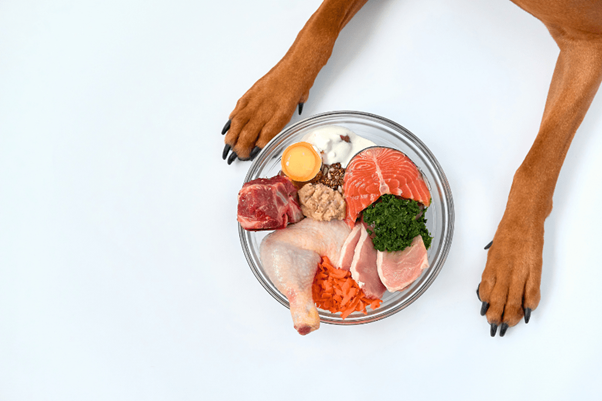
Dog owners are increasingly aware of the positive effects of a natural and species-appropriate diet on their pet’s health. As a result, many are incorporating wholesome and natural ingredients into their pet's mealtimes. You'll love this guide if you want to know more about the best superfoods to feed your dog.
What are superfoods for dogs?
A superfood is defined as a food that is naturally rich in one or more compounds that are considered beneficial to a dog’s health (such as essential fatty acids, antioxidants, proteins, and probiotics). Superfoods tend to be nutrient-dense and provide nutritional bang for your buck. In many instances, healthy foods that we consume for our well-being can often provide similar benefits to our four-legged friends.
It’s important to note that there’s no single ‘superfood’ that can solely provide complete and balanced canine nutrition. If you are not experienced with nutrition, it's a good idea to use a commercial mix that is already nutritionally complete. If you are stuck deciding between processing styles, read our ultimate guide comparing raw vs air-dried vs freeze-dried dog food to find the best premium base for your pup.
'Novel' foods that your dog does not receive on a regular basis are also great for enrichment feeding. Feeding your dog something that is different by texture and/or taste heightens their senses and curiosity.
"All good changes to extend life start with food. Replacing as little as 10% of your pet’s daily ultra-processed pet food (kibble) with fresh food creates positive changes in their body"
- Rodney Habib, Planet Paws & co-author of The Forever Dog
Here are my top 101 healthy foods for dogs. You could consider adding some of these to your dog's meal or use them as a treat.
As much as possible, I have tried to include plenty of food options that are considered novel, hypoallergenic, grain-free, and allergy-friendly. Check it out:
- Meat and Animal Proteins
- Fish and Seafood
- Healthy Fats and Oils
- Raw Bones
- Organ Meats
- Dairy Products
- Vegetables
- Fruit
- Berries
- Herbs & Spices
- Supplements and Toppers

High-Quality Meat and Animal Proteins
Protein is a vital part of a healthy and balanced canine diet and is commonly found in meat, fish, and eggs. The canine anatomy cannot store protein like it can fat and other nutrients, so appropriate levels of protein must be supplied in their daily diet.
Animal protein has several important roles, such as building and repairing muscle and body tissue. Protein also assists the body in creating hormones and enzymes that are required for normal function. It provides energy and helps maintain a healthy immune response.
Proteins are made up of amino acids, and dogs require 22 different amino acids. A dog's body is only able to make half of the essential amino acids they need. The other half must come from their food. Because these amino acids are so important, they are called essential amino acids and deficiencies over time can lead to health problems.
Dogs love chicken! One of the most balanced meats is chicken, which is high in protein and low in fat at the same time. It’s not all good news though...
Chicken allergy is the second most common meat protein allergy in dogs, only after beef. It is believed that approximately one-third of dogs have a food intolerance or allergy to beef. Chicken is the second most common meat protein allergen, and this affects about 15% of dogs.
If your canine companion has a sensitivity to common animal proteins like beef or chicken, your vet is likely to suggest a diet using novel proteins.
Novel and Hypoallergenic Animal Proteins for Dogs
1. Goat: a good source of novel meat protein
Goat is one of the healthiest protein options for your dog. It has less fat than beef and less saturated fat than chicken. It's packed with vitamins, minerals, and essential nutrients making it a great option for many dogs!
2. Lamb: protein packed
Lamb is an excellent meat choice for dogs. It is packed full of protein, vitamins, and nutrients. These are essential for your dog to thrive. Lamb is a great source of iron that supports the nervous system. It is also a good source of vitamin K, zinc, and selenium.
3. Venison: lean red meat
Deer meat is a good source of protein for all dogs, including those that require lower levels of fat and cholesterol. This lean red meat is a healthier protein compared to other pet food proteins such as beef or chicken. Venison has high nutritional content packed in its meaty goodness.
4. Veal: a nutrient powerhouse
Veal is an excellent source of lean protein for dogs. Veal is often easier for dogs to digest than beef. In some cases, dogs with beef allergies are able to eat veal without any problems.
5. Rabbit and hare: novel proteins
Free-ranging rabbits and hares living off rich flora make them an incredibly nutritious food for cats and dogs. Rabbit meat is a great source of vitamin B12. This vitamin helps keep a dog's nervous system working properly. In particular, the organs of a rabbit are packed with nutrients.
6. Possum: omega-rich
Possum meat provides dogs with an excellent ratio of Omega fatty acids, which are vital for controlling inflammation. Omega-rich food can aid in improving a dog's skin, coat, and joints.
7. Duck: hypoallergenic
Duck meat is packed with essential nutrients. It makes a great alternative for pets with food allergies to other proteins, such as chicken.
8. Kangaroo: free-range and low-fat
It is one of the lowest fat meats and is rich in B vitamins, omega-3s, iron and zinc. Free-range kangaroo meat is a healthy choice for pets who suffer from food allergies or intolerance.
9. Wallaby: lean novel protein source
Wallaby is one of the leanest red meats and an ideal novel protein source for dogs that require low-fat diets. Wallaby meat also is high in iron, omega-3 fatty acids and zinc. Wallaby really is the ultimate protein source for our pets!
10. Turkey: good for sensitive dogs
Turkey meat offers dogs a digestible, lean source of protein. Turkey meat is an excellent alternative to chicken or beef. It could be the answer to your dog's food sensitivities as a regular protein in their daily diet.
11. Iberian pork: dogs love the taste
Iberian Pork is highly palatable and hypoallergenic, with good levels of metabolisable energy. Iberian pork is notable for being very rich in essential macro and micronutrients.
12. Wild boar: low cholesterol
Wild boar has a taste that dogs love, it’s high in digestible protein and hypoallergenic. Wild boar meat is packed with vitamins and minerals that are beneficial to a dog's health. It's a great source of lean, low-cholesterol protein.
13. Eggs: provide dogs with high-quality protein
Eggs offer a multitude of beneficial nutrients including high levels of protein, linoleic acid, Vitamin B2 and B12, and water-soluble Vitamin A, all of which are great for their skin and coat health.
14. Insect protein: low emissions
For dogs that experience allergies to meat and grains, insect protein is an excellent substitute as it is hypoallergenic. This results in reduced instances of itching and scratching. Canines easily digest protein derived from insects, specifically black soldier fly larvae and crickets. Some hypoallergenic dog foods are now incorporating the novel, eco-friendly protein source, black soldier fly larvae, which has been receiving considerable attention.
Fish and seafood for dogs

The benefits of different fish proteins
15. Salmon: a rich source of essential omega-3s
Salmon is an excellent source of omega-3 fatty acids. These fatty acids support the immune system, reduce inflammation, and maintain a healthy, shiny coat for your dog. Studies have shown that omega-3 fatty acids are important for vision development. DHA and EPA, two types of omega-3 fatty acids, are especially important for the healthy functioning of the retina.
16. Sardines and pilchards: oily fish that most dogs love
Adding sardines to your dog's diet has many health benefits. These include improved skin and coat health, increased mobility, and better cognitive brain development. The EPA omega-3s found in oily fish can help reduce inflammation, thus improving fluidity of the joints. This could potentially lead to a decrease in discomfort in the joints, improved flexibility, and better joint function overall.
When giving your dog canned sardines, choose ones in spring water without added salt.
17. Anchovies: high in EPA and DHA for optimum canine health
Fish oil, especially from anchovies, is incredibly rich in Omega-3 eicosapentaenoic acid (EPA) and docosahexaenoic acid (DHA). These essential fatty acids support the overall health of our pets. They have been known to improve the heart, joints, skin, and coats of our four-legged friends.
18. Tuna: hypoallergenic
Tuna is a saltwater fish that offers many nutritional benefits. It is packed with protein, selenium, magnesium, and potassium. It also contains vitamins B3, B6, and B12. It’s also chock-full of omega-3 fatty acids. Fed in moderation, tuna fish can help support your pup’s joints and immune system.
19. Blue Whiting Fish: easily digestible
Blue Whiting Fish is a novel and sustainable catch and rich in nutrients and lean protein.
20. Hoki: nutrient-rich
Hoki is a superior source of omega-3 fatty acids, which support your pet’s cognitive function. It is also a delicious and easily digestible option for your pet.
21. Sprats: great for dogs of all sizes
Sprats are the ultimate addition to any dog or cat's diet, whether you're currently feeding raw or not! Dried sprats make a tasty topping for your pet's meal. Break them up and sprinkle them over their food for a healthy and omega-3 rich boost. Dried sprats can be fed alongside raw meals or commercial pet food.
22. Green Lipped Mussels: support joint mobility
There is growing evidence that Green-lipped mussels contain nutrients that are beneficial to dogs with arthritis. Green-lipped mussels contain compounds with anti-inflammatory and joint-protective properties.
(You can read more about the Benefits of Fish for Dogs on the Banquet Pet blog).
Healthy fats and oils for dogs
Healthy fats are an important source of energy for dogs. As with most food supplements, not all fats are created equal, and balance is necessary.
When it comes to fats, there are good fats and unhealthy fats. Healthy fats are mainly Omega-3s. There are three main forms: EPA, DHA, and ALA. In total, there are 11 different Omega-3s.
Omega-3 benefits for dogs
The two most important forms of Omega-3 fatty acids for dogs are DHA and EPA, these are long-chain fatty acids. DHA and EPA fatty acids are primarily found in fish, such as salmon, tuna and mackerel, and other seafood. DHA and EPA help support many functions, including healthy skin and coat, cognitive brain development, visual development, inflammation, and cardiovascular support.
ALA Omega-3s are mainly found in plant oils. They are short-chain fatty acids and do not offer the same rich benefits as DHA and EPA fatty acids. ALAs are commonly sourced from products such as coconut oil, canola oil, flaxseed oil, hemp seed oil, etc.
23. Salmon oil: helps improve skin and coat condition
Salmon oil is rich in omega-3 and omega-6 fatty acids. These fatty acids support a healthy immune system, heart health, healthy skin and coat, cognitive function, and have anti-inflammatory properties.
24. Marine Microalgae oil: made from marine algae
Marine Microalgae is similar to fish oil in that it can be used as a rich source of Omega-3 fatty acids. It has properties that can reduce inflammation and improve overall wellness. It also helps keep your pet's skin, coat, and joints healthy.
25. Hoki oil: potent source of essential Omega-3 fatty acids
Hoki Oil contains Omega-3 fatty acids that are essential for the good health of cats and dogs. As our furry friends cannot produce these vital acids themselves, it is important for them to get Omega's through their diet. Omega-3 can improve cognitive skills and make training much easier. The DHA fatty acids play a vital role in the formation of new and replacement brain cells, while EPA fatty acids are needed to ensure optimal brain functionality.
26. Chicken Fat: delivers Vitamin E and Omega-6
Chicken fat is a good source of linoleic acid. This essential fatty acid is important for skin and coat health, growth, and a healthy immune system. Compared to other fats, chicken fat provides a flavour profile that tends to be preferred by both dogs and cats.
27. Coconut oil: a great source of energy
Being high in saturated fat and medium-chain triglycerides accounts for the health benefits of coconut oil. Medium-chain triglycerides are beneficial fats and a good source of energy. Additionally, lauric acid, which forms part of the good fat in coconut oil, has known immune-boosting benefits.
28. Hemp seed oil
The ratio 3:1 of Omega-6 to Omega-3 fatty acids in hemp seed oil is optimally balanced at three parts Omega-6 to one part Omega-3. Hemp seed oil contains almost no THC or CBD. Therefore, you can be confident that your pet is not receiving something with psychoactive side effects.
29. Flax seed oil
Flaxseed oil can be beneficial for some dogs. It can help prevent constipation and improve symptoms of conditions like arthritis and skin irritation. It is also known for its anti-inflammatory properties. Flaxseed oil provides the highest natural plant source of Omega-3, an essential fatty acid vital for the health and function of many bodily systems.
Can dogs that are allergic to chicken protein eat chicken fat?
If you’re concerned that chicken fat could trigger an allergy in your pet, you should know that most chicken allergies are an immune response to protein. A dog or cat with a true chicken allergy will react to protein. As purified chicken fat contains no protein, it should usually not trigger an allergic reaction in the same way that chicken meat or chicken meal would in a pet who is allergic to chicken.
Raw meaty bones

Bones are a good source of minerals and other nutrients and help satisfy your dog's appetite. Chewing stimulates saliva enzymes and helps prevent plaque build-up and gum disease.
Bones are a core part of a species-appropriate diet for canines. They promote dental health and stimulate and engage pets at mealtime. It is important to feed the right type and size of bone to your pet.
The nutritional, behavioural, and dental advantages of meaty bones make them a great choice for cats and dogs, and they also love them! Bones can be a cost-effective way to provide them with enrichment and keep them busy.
Top tips for adding raw bones to your dogs diet
- Dogs and cats need to chew, rip and tear in order to get the full benefit of eating raw meaty bones. For maximum satisfaction choose bones that are appropriately sized and with plenty of meat or soft tissue on them. They should not be too small, as this could be a choking hazard.
- It's important to avoid giving pets large, heavy bones as these may cause dental damage. Avoid very hard bones (e.g. cannon bones, or bones that were weight-bearing) as these could fracture teeth.
- Never feed your dog cooked bones. These are a hazard as they can splinter and break easily.
- Raw meaty bones are not a complete diet on their own and need to be fed as part of a balanced diet. To ensure you're feeding a balanced diet, feed with a variety of protein sources, tripe, and organs.
- To aid digestion, feed bones alongside green tripe, which is prebiotic and probiotic.
- It is important to always supervise your pet when they have been given a bone, to ensure their safety.
- Bones are not suitable for every dog. In some instances, senior, sick, pregnant, lactating, or medicated pets may not be able to digest whole bones. Dogs with dental issues may need to avoid whole bones altogether. Some brachycephalic breeds (with shortened snouts) may also struggle with some whole bones.
- Talk to your raw feeding specialist before introducing raw meaty bones.
What benefits do bones offer?
Bones offer many benefits to dogs. Bones are a nutritious source of vitamins and minerals. Calcium and phosphorus are two essential minerals found in bones. These minerals help to maintain healthy skin, nails, and coat. Secondly, the act of chewing a bone helps strengthen your dog's jaw and clean the teeth. Raw bones are one of the best natural dog treats for teeth.
Choose the right bone for your pet
30. Veal Brisket: a soft bone that's good for dogs who are new to bones
Experienced bone eaters love them too! As with all bones make sure they are appropriately sized for your pet. To ensure optimum nutrition and digestion, remember to feed green tripe alongside raw meaty bones!
31. Chicken necks & frames: good for dental health
Chicken necks are a natural source of protein, fat, and calcium, and they can help improve your cat or dog's dental health through chewing. Chicken frames are meaty and full of flavour as well as being packed full of collagen, glucosamine, and chondroitin. Frames are a great source of protein and are an easy way to incorporate bones into the diet of your dog or puppy. These can also be fed frozen to slow down fast eating dogs.
32. Turkey necks, drums & wings: a better poultry option for dogs with chicken allergies
Turkey necks are a soft bone option, making them a great choice for dogs that are new to raw feeding. Turkey drums are denser than turkey necks. Drums are very meaty and best suited for confident bone-eating dogs and puppies. Turkey wings are an obscure shape, so are a good choice for dogs who gulp and are prone to ingesting whole bones.
33. Lamb brisket bones: have a higher fat content
This makes them a great addition to the diet of very active, working, or lean dogs. Lamb brisket bones are a natural source of calcium and phosphorus. These minerals are essential for both puppies and adult dogs.
34. Pig tails: great for dental cleaning
Raw pig tail bones are a great for medium to large dogs. They are long slim bones with a good amount of meat and fat on them.
35. Possum pieces & tail bones: harder bones best suited for confident bone chewers
Raw Possum Tail Bones are a great wild bone option for smaller dogs. They are a longer, slimmer bone and often have fur attached. Perfect for smaller dogs on a novel diet or looking for a nutrient rich bone option.
36. Bone broth: packed with minerals to support good health
Bone broth is often seen as a beneficial supplement for dogs with digestive issues, skin problems, or joint pain. It is thought to aid digestion, gut health, and immunity. It's a nutritious addition to your pet's diet.
Benefits of bone broth for dogs
Bone broth is packed with joint-protecting compounds like glucosamine, chondroitin, and hyaluronic acid. These compounds have amazing benefits for joints. Bone broth can support your best friend’s gut, joints, liver, and overall wellness.
The glucosamine, chondroitin, and hyaluronic acid in bone broth are nutrients that support joint health and integrity. This is especially relevant for senior dogs and dogs with joint problems.
Bone broth also contains collagen, which plays an important role in maintaining the strength and health of connective tissues. This collagen-rich broth can be beneficial for keeping these tissues healthy.
Bone broth can help boost immune function. During cooking, the amino acids are released. These essential nutrients can help the immune system to defend the body against pathogens and hypersensitivity reactions.
Bone broth is not nutritionally complete for long-term exclusive feeding. However, it can be used as a base for a complete meal or as a supplement for your dog's regular diet. Bone broth is a healthy option for your dog. It can help moisten dry food and hydrate them when they are sick.
What ingredients to avoid in bone broth?
Only feed bone broth that's specifically intended for dogs. Onion, garlic, high levels of sodium, and additives can be detrimental to dogs. Unfortunately, these are common ingredients in human bone broths. Shop for organic, low-sodium, non-GMO broth that has been specially formulated for dogs.
Organ meats are a hearty source of nutrients

Offal is a nutritional treasure trove. Offal is an important part of a dog's diet, providing them with the vitamins, minerals, and amino acids they need, such as B-complex vitamins, vitamins E, D, and K2, iron, copper, chromium, and zinc.
Why feed offal?
It's not a great sounding word, but offal refers to the organ meats of animals. It includes liver, kidneys, heart, tongue, cheek, stomach and even brain, pancreas and spleen. Organ meats, or offal, are some of the most nutritious foods on the planet. They are superfoods for our pets.
Should I include organ meats in my dog diet?
The answer is simple, Yes! Offal is a powerhouse of nutrients. It is loaded with essential vitamins, minerals, proteins, and fats. These are essential for our dog's overall health and well-being.
Can dogs eat too much offal?
The reason you shouldn't feed too much offal is that some nutrients are in excess. This is especially true for Vitamin A in the liver and thyroid hormone in the trachea (often minced into 'offal'). Including offal in your dog's diet requires balance. Your local raw feeding expert can help you determine the best ratios.
Types of offal to consider feeding
37. Green Tripe: a true superfood for dogs
Green tripe is the unbleached, minimally washed stomach of ruminant animals. Because it is not washed, it will contain some remnants of stomach contents. Green tripe is an incredibly nutritious food for carnivorous animals like cats and dogs, as it helps support the proper acidity of their stomachs for better digestion and is filled with beneficial probiotics and enzymes.
38. Liver: a great source of protein for that's lower in fat than muscle meat
Many dogs love liver. Therefore, they often get very excited when given dried liver as a treat or reward for training.
39. Heart: high in taurine as supports healthy heart function
The heart is both a muscle and an organ. Heart also has taurine, which helps to promote a healthy heart for your pet.
40. Kidney: a premium source of trace minerals
Kidneys are nutritionally dense, and packed with essential vitamins like A, B6, B12, C, Riboflavin, Niacin, and Thiamine. Key minerals like iron and selenium are found in beef kidneys. They are a great source of protein and Omega-3 fatty acids.
41. Lung: popular as dried training treats
Dried lamb lung treats for dogs are great rewards. Lungs are also a great way to add variety and organs into your pet's diet!
Dogs love dairy products. Are they beneficial for them?

Milk and dairy products are highly regarded because of their protein, calcium, potassium, vitamin D, B vitamins, zinc, and other nutrients. Most dogs love dairy products. Therefore, milk-based products are often included in canine diets.
Dogs can have yogurt if they can handle lactose. Yogurt is a good source of protein, calcium, and probiotics. However, it can also be high in fat. Additionally, it can sometimes contain ingredients that are harmful to dogs, such as artificial sweeteners.
What dairy products are best for canine consumption?
42. Kefir: a good source of gut-boosting probiotics
Dogs can eat kefir (in moderation), which is a good source of gut-boosting probiotics, vitamins, and minerals. Although the fermented drink is often made with cow's milk, it is generally low in lactose. Research has shown that kefir's probiotics can help with canine digestive issues and boost the immune system.
43. Natural Greek yoghurt: high in protein and calcium
Greek yogurt is one of the best choices for dogs as it has significantly less lactose than regular yogurt. Yogurt is a good source of protein, and calcium and is packed with probiotics, which are the good bacteria that support a healthy digestive system. The active cultures in yogurt provide many probiotic benefits. Make sure to choose a yogurt that is 100% natural and free from artificial ingredients and contains no Xylitol (which is toxic to dogs).
44. Goat's milk: supports digestive health
Goat milk is one of the healthiest dairy products for pets. It can add amazing nutrients and vitamins into your furry friend’s diet. Goat's milk has many desirable advantages, especially its positive effect on digestion. The probiotics it contains promote a healthy digestive system for your pet by increasing the number of beneficial bacteria in the gut.
45. Himalayan cheese: makes a long-lasting dog chew
Himalayan yak cheese chews are great for dogs. They help keep teeth and gums healthy and relieve stress. They are easily digested and a healthier alternative to rawhide chews. Through the cooking process, the lactose is removed, making these suitable for dogs that are sensitive to lactose. Himalayan dog chews are made using an ancient recipe with all-natural ingredients that are preservative-free, grain-free, and gluten-free.
Why is goat milk better than cow milk for dogs?
Goat's Milk is more digestible than cow's milk and lacks the complex proteins that often trigger allergies. Fat molecules in goat's milk are one-fifth the size of those in cow's milk. This makes it easily digestible and tolerable and often dogs with dairy issues can benefit from it.
Which dairy products are best?
Dogs that are lactose intolerant may have difficulty drinking milk. However, they can often tolerate dairy products such as cheese and plain yogurt. These are usually easier for them to digest. Many dairy products, like cheese, contain high levels of fat. They should only be given as treats, and in small amounts, occasionally.
How can I add dairy to my dog’s diet?
Dairy should only be fed occasionally and in small amounts. Put a dollop of plain yogurt or cottage cheese on top of kibble. Your dog will eat the enzymes in the first few bites, which will help digest the rest of their meal.
For a cooling treat in summer try blending a small portion of mixed fruits, berries, or leafy greens with plain, unsweetened acidophilus yogurt and freeze on an enrichment feeding mat or Kong style fillable dog toy.
Vegetables and leafy greens for dogs

Just like us, dogs benefit from a variety of natural foods that are high in nutrients for a balanced diet. Vegetables have nutrients not found in animal products. These include fibre, minerals, antioxidants, enzymes, and phytonutrients. You can give your dog variety at dinnertime by adding small amounts of mixed vegetables or leafy greens to their bowl.
46. Carrots: a sweet treat
Carrots make for a great low-calorie snack that is rich in beta-carotene and fibre. Additionally, munching on this orange vegetable is beneficial for your dog's dental health.
47. Pumpkin: great for digestion
Mashed pumpkin is full of fibre and nutrients and can help your dog's digestion and act as a natural stomach soother. Adding a tablespoon of pumpkin to your dog's meal can relieve minor digestive issues like constipation, diarrhoea, and stomach discomfort.
48. Spinach: rich in vitamins for immune health
This leafy green is packed with essential nutrients such as vitamins A, B, C, and K, iron, beta-carotene, and antioxidants. These vitamins and minerals can enhance your furry friend's energy levels and immune system. Nevertheless, it's important to limit the amount of spinach your dog eats as excessive consumption can lead to digestive or kidney problems. Therefore, it's best to feed your dog spinach in small quantities.
49. Sweet potato: a good source of dietary fibre
Sweet potatoes are a great way to provide your dog with vitamin A, which is important for healthy skin, coat, eyes, nerves, and muscles. However, it's important to remember that like any other fruit or vegetable, sweet potatoes should be given to your dog in moderation or as an occasional treat.
50. Green beans
Dogs who are trying to maintain or lose weight can benefit from the high fibre and low-calorie content of green beans, which can help them feel satiated for longer periods of time. Including one or two green beans in your dog’s meal occasionally will add some healthy variety.
51. Broccoli: an excellent source of immune-boosting vitamins
Your dog can eat broccoli either raw or cooked. This vegetable is packed with essential nutrients such as vitamin C, vitamin K, and potassium. These nutrients work wonders in supporting heart health, bone density, and the immune systems of canines. Beware, though: too much broccoli can upset the digestive system and cause gas.
52. Beetroot: supports skin and coat health
Iron is a key mineral found in beetroot. It can help improve your dog's cardiovascular and respiratory health. Like spinach, beets contain a high concentration of oxalates, so only feed in small quantities.
53. Leafy kale: a superfood with good levels of vitamin C
Kale is a great source of two key antioxidants, lutein and zeaxanthin, which can potentially protect your pup from cancer. Adding small amounts of kale to your dog's diet can also support vision and liver detoxification.
54. Capsicum: loaded with beneficial nutrients
Bell peppers are rich in beta-carotene and the body can convert this into an active form of vitamin A. Red bell peppers have more beta-carotene than yellow or green peppers. They also contain more potassium, folate, and lutein.
55. Zucchini: packed with antioxidants
Dogs with metabolic issues like diabetes or dogs at risk of obesity can benefit from zucchini’s low-calorie content. If your dog tends to put on weight, consider giving them a slice of zucchini as a healthy snack.
Fruits that dogs love

Fruits such as bananas and apples can be a healthy occasional treat for dogs. Unlike highly processed dog treats, fruits provide many health benefits. These include antioxidant compounds such as vitamins A and C, carotenoids, and flavonoids. Studies have shown that these compounds can help promote health and longevity in dogs.
56. Apples
For overweight or senior dogs, apples are an ideal snack due to their low protein and fat content. However, it's important to remove the core and seeds before offering apple to your furry friend.
57. Kiwifruit
Vitamin-rich kiwi is a great addition to your dog's diet. Kiwis are rich in vitamin C, calcium, potassium, and fibre. Kiwifruits are high in lutein, a nutrient that supports healthy eyes. They also contain beta-carotene, which acts as an antioxidant.
58. Watermelon
Watermelon is a health-food powerhouse, low in calories and packed with nutrients including vitamins A, B6, and C, and potassium. Watermelon makes a great hydration treat for a hot day.
59. Pears
Pears are a healthy treat that your dog can safely enjoy in moderation. Pears contain essential minerals including copper, potassium, calcium, and magnesium. These minerals support nerve and muscle function, and they help build strong bones.
60. Bananas
In moderation, bananas can be a healthy and low-calorie snack for dogs. They contain potassium, vitamins, biotin, fibre, and copper but are low in cholesterol and sodium. However, due to their high sugar content, bananas should only be fed occasionally as a sweet treat.
61. Papaya
Papain is an enzyme found in papaya fruits. It breaks down proteins and can help improve your dog's digestive health. This enzyme is beneficial for overall digestive health.
62. Pineapple
Pineapple contains riboflavin, a vitamin that helps dogs to break down their food using enzymes in their bodies. Properly breaking down ingredients increases the nutritional availability of vitamins and minerals in pet kibble and other diets. Additionally, pineapples contain bromelain, an enzyme with anti-inflammatory properties that might help to reduce swelling.
63. Dragon fruit
Dragon fruit is full of antioxidants. These antioxidants help support a healthy immune system, reduce inflammation, and support eye and skin health. Antioxidants may also help to reduce free radicals and cell degeneration in the body.
Antioxidant rich berries

Berries are great for dogs and packed with powerful antioxidants, which can help to prevent cell damage. Berries are also low in sugar and calories but high in fibre and vitamin C.
Flavonoids known as anthocyanins are responsible for the rich colour of berries such as blackberries, cranberries, and raspberries. These compounds have anti-inflammatory qualities that may benefit dogs suffering from arthritis. Additionally, anthocyanins can counteract superoxides that may arise during periods of stress in canines.
Berries should be fed in moderation and make a great, healthy treat. Make sure to only feed berries that are considered safe for dogs.
64. Blueberries: a great low-calorie treat for dogs
The blueberry might be tiny in size, but it is huge when it comes to beneficial nutrients for your dog. Often referred to as a superfood, blueberries can benefit the heart, brain, blood sugar, and gut microbiome. There is also evidence that these dark berries can help to protect against cancer.
65. Cranberries: help support urinary tract health in pets
Cranberries contain a chemical compound that can help prevent urinary tract infections. They are also high in fibre and antioxidants that help prevent disease and boost the immune system.
66. Raspberries: high in antioxidants
Raspberries contain high amounts of B-complex vitamins and vitamin K, which are crucial for your dog's energy production and circulatory system.
67. Strawberries: a healthy treat
Strawberries are a low-calorie, nutritious fruit for dogs. They're a great source of vitamin C, an antioxidant that can help reduce inflammation and cognitive ageing in dogs.
68. Acai Berries: are generally safe for dogs to consume in small quantities
Acai berries are rich in antioxidants. These antioxidants help to strengthen a dog's immune system and protect against free radicals. Acai berries are rich in anthocyanins. These compounds have powerful anti-inflammatory effects. They also neutralise superoxides, which dogs produce when stressed.
*Acai is generally considered safe for dogs to consume in small amounts. However, it contains theobromine, the same ingredient found in dark chocolate that can cause chocolate poisoning. Therefore, caution should be taken before letting your dog eat acai. A dog’s digestive systems can’t break down this compound. If your dog consumes a large enough quantity of acai, it could experience theobromine poisoning.
Beneficial herbs and spices

In small doses, many herbs and spices are safe for dogs, with some offering powerful superfood benefits. As with any food, it’s important to know how to safely feed herbs and spices, and they should only be used in small quantities.
It is wise to consult your veterinarian prior to adding a new food to your dog's diet. This is especially important if your dog has medical issues or is taking medication. It is important to adhere to the instructions and precautions provided by your vet when introducing herbs and spices into your dog's food. If you observe any changes in your dog's behaviour or they experience gastrointestinal symptoms, discontinue feeding.
Don't give dogs essential oils as they are very concentrated and can cause toxic effects.
"Although we can consume and use a variety of herbs, not all of them are safe for dogs. Common herbs that you can share with your pet are cilantro, basil, thyme, sage, turmeric, parsley, rosemary, and dill." - DR. IULIA MIHAI, VETERINARIAN, DVM MSC
69. Turmeric: powerful anti-inflammatory properties
Turmeric can be used to treat joint issues in dogs. It also helps with digestive issues. Turmeric stimulates the production of bile in the liver, which helps break down food faster. This makes your dog more comfortable after eating.
*Not good for dogs that are prone to kidney stones as turmeric can make them worse by increasing urine oxalate levels.
70. Anise seeds (not star anise): reduces nausea, gas, and other gut issues
Anise seeds have been found to help dogs with mild cases of respiratory issues such as congestion and coughing. They have also been used for increasing energy for performance.
*Do not feed anise seeds in large amounts or regularly, as they can cause an upset stomach, induce diarrhoea, and decrease heart rate. Anise seeds are not suitable for puppies or adult dogs that are lethargic.
71. Fennel: can help with bad breath
Fennel is safe for your dog to eat in small quantities. It contains high levels of vitamin C, vitamin A, calcium, iron, and potassium. Fennel can reduce halitosis, digestive issues, and flatulence in dogs.
72. Ginger: a natural anti-inflammatory
Feeding your pup a small amount of ginger can help soothe nausea and motion sickness associated with long car rides. Additionally, ginger reduces gas and stimulates the stomach, alleviating mild cases of bloat.
73. Parsley: one of the best natural sources of Vitamin K
Curly parsley is rich in vitamins A, C, K, and folic acid. It also contains chlorophyll, a powerful antioxidant. These nutrients can help fight free radicals in your pet's body, preventing cellular degeneration. To naturally freshen your dog's breath offer them a sprig of parsley to chew on.
74. Rosemary: can neutralise free radicals and support the immune system
Many commercial pet foods and treats contain rosemary extract. The antimicrobial properties of rosemary make it a natural preservative in foods to keep harmful bacteria away.
75. Peppermint: repels fleas and freshens the breath
Incorporating fresh peppermint into your dog's diet can offer a multitude of benefits. It has been proven that peppermint can aid in repelling pests such as ticks and fleas and introducing this herb into your dog's diet can also promote fresh breath. This is due to the natural antiseptic properties found in peppermint, which reduce bacterial odours. Rather than simply masking bad breath, peppermint can actually help prevent it from occurring.
Ingesting high doses of peppermint is toxic and can result in liver or kidney problems. Feed with caution and only in small amounts.
76. Oregano: antimicrobial benefits
Oregano has antifungal, antiviral, and antibacterial properties that help prevent the spread of bacteria and other viruses. It also has anti-inflammatory properties that may help your dog decrease their risk of developing inflammatory diseases like osteoarthritis.
Do not feed oregano oil because, like most essential oils, it is too strong for your dog. Moderate to large servings of fresh or dried oregano can be toxic to dogs.
77. Chamomile: often used in herbal calming remedies and treats
Due to its natural calming properties, chamomile can help to calm anxious dogs and those who are hyperactive. It’s also thought to help with symptoms such as insomnia.
78. Basil: considered safe in small quantities
Basil is high in antioxidants including the immunity-boosting antioxidant beta carotene, which helps prevent disease and infection. Basil is also known to increase insulin function in dogs and modulate their blood sugar. Basil can also have a mild calming effect for anxious dogs.
79. Sage: used by canine herbalists to help with joint conditions and allergies
Due to its high levels of a chemical compound called rosmarinic acid, sage holds natural anti-inflammatory properties. Rosmarinic acid may even reduce the symptoms of seasonal allergies.
80. Dried Chicory Root: can help support good gut bacteria in pets
Chicory root is an effective prebiotic that some pet food companies incorporated into their recipes. The prebiotic supports healthy bacteria in the gut. A dog with a healthy gut is a much happier dog. They will seem more content and full of energy.
81. Liquorice: anti-inflammatory properties may help relieve joint discomfort
Liquorice’s anti-inflammatory properties make it an excellent herb to help relieve your dog's joint and arthritis pain. Several compounds in liquorice, including glycyrrhizin, help reduce pain and inflammation. It can also protect against cartilage degeneration.
82. Dandelion greens: an excellent whole body tonic
Dandelion contains inulin, a probiotic that can enhance your dog’s gut health and increase the number of good bacteria in your pet’s digestive tract.
83. Dill: contains nutrients that help boost your dog's digestive system
Dogs can eat dill in moderation. The herb provides nutrients and antioxidants, and it can help freshen your dog's breath. Dill has many antioxidant flavonoids, such as vicenin and kaempferol, that act as anti-inflammatories and reduce free radicals in your dog’s body. Dill also contains limonene and anethofuran, which increase cancer-fighting enzymes.
84. Rosehip: is often included in joint and mobility supplements
Rosehip is a popular ingredient in dog joint supplements because it is rich in Vitamin C, a powerful antioxidant, and contains GOPO, an anti-inflammatory galactolipid. Rosehip has been shown to help reduce inflammation around painful joints affected by osteoarthritis.
85. Valerian: has properties to help reduce stress
The most common use of valerian root for dogs is to calm canine stress. It's used to combat common fears in dogs, such as loud noises, separation anxiety, and unfamiliar situations. The relaxing properties of this herb can also improve your dog's sleep.
86. Cinnamon: good for joint health and can help alleviate sore muscles
Cinnamon has been shown to reduce the chances of heart disease and high blood pressure issues in canines. Cinnamon may also lower blood glucose levels and insulin resistance.
87. Nettle: can help with reducing canine allergies
Nettles contain natural antihistamines. These antihistamines help to reduce inflammation in your dog's respiratory system and the rest of the body. Not only will nettles help with reducing allergies, but due to their anti-inflammatory nature they can also help with joint pain.
88. Thyme: contains manganese, iron, and calcium, which benefit skeletal systems
Thymol, an active ingredient in thyme, has antibacterial and antiseptic properties. Accordingly, eating thyme can aid in the prevention of parasites such as hookworms. Never use Spanish thyme as this variety is toxic to dogs.
89. Coriander leaves: contain vitamin K, which supports skin and fur health
Coriander or cilantro fights nausea, flatulence, and diarrhoea, exactly like mint does. Due to its antiparasitic effect, it also helps to protect the body against worms and parasites.
Nutritional supplements and meal toppers

90. Eggshell: can help support strong bones, teeth, and joints
Eggshells that are crushed are an excellent source of calcium, glucosamine, and chondroitin. These nutrients can aid in promoting healthy bones, teeth, and joints in dogs.
Eggs, on the whole, are a fantastic food for dogs. They can be served raw or cooked, with or without the shell, which makes them an easy and nourishing option for your furry friend! Eggshells are also a great source of calcium for dogs who have difficulty chewing bones.
91. Raw Manuka honey: antimicrobial and antifungal
Honey is full of beneficial antimicrobial and antifungal properties. Manuka honey can help reduce allergy symptoms, skin issues, and reduce inflammation.
Dogs don’t need a lot of honey to benefit from it. Just a fraction of a teaspoon is enough for a sweet treat. Since dogs enjoy honey’s sweet taste, it’s easy to feed from a spoon or drizzled over an enrichment lick mat.
92. Bee pollen: in small doses can help to desensitise against certain allergens
Bee pollen contains Quercetin, which is a natural antihistamine. This acts as allergy protection, and when consumed regularly can help to reduce allergy symptoms and allergic reactions in dogs.
Bee pollen has a lot of health advantages, including antioxidants like flavanol, resveratrol, and lycopene. These, combined with vitamins A, B, C, K, and E, can help prevent infections by boosting the body’s ability to fight inflammation and regenerate cells. This high-nutrient supplement is loaded with vitamins, minerals, trace minerals, protein, and fats, making it an excellent dietary supplement for dogs. Bee pollen has one of the most comprehensive nutritional profiles available.
93. Spirulina: benefits digestion and intestinal function
Spirulina is a microalgae with numerous health benefits for dogs. Spirulina is an incredibly nutritious food, containing chlorophyll, antioxidants, GLA, and a high amount of protein (more than meat per gram). It has the potential to decrease allergic responses and enhance digestion.
Spirulina is such a potent food supplement that only a tiny amount is needed to reap its many health advantages. A little goes a long way!
94. Inulin: a powerful antioxidant
Inulin is a prebiotic fibre that helps to support healthy digestion in dogs. It is a naturally occurring fibre found in the roots of some plants.
Pet food manufacturers typically include inulin probiotics because it promotes the growth of beneficial bacteria in the gut. This helps to combat harmful bacteria. Experts believe that a significant portion of the immune system is located in the digestive tract, so encouraging the growth of good bacteria can help dogs fight off illness and disease.
95. Apple cider vinegar: can Improve digestion by balancing pH levels
There are a number of cardiovascular benefits to apple cider vinegar. The acetic acid in apple cider vinegar can help reduce high lipid levels and high blood pressure. This can lead to better heart health for your dog. A small splash of raw organic apple cider vinegar can be added to your dog's water bowl.
96. Pumpkin seeds: packed with powerful antioxidants which can help slow the ageing process
Incorporating pumpkin seeds into a dog’s diet can enhance their bladder health and digestive system, leading to an overall improvement in their well-being. These seeds are abundant in polyunsaturated fats, including omega-6 and omega-3 fatty acids, making them a valuable source of nutrition.
Some pet owners also use pumpkin seeds as a natural way to prevent worms. That’s because pumpkin seeds contain an amino acid called cucurbitin. Cucurbitin paralyzes the worms and eliminates them from your dog’s digestive tract.
97. Chia seeds: support brain function
Enhancing your dog’s meal with a sprinkle of chia seeds can provide additional nourishment. These seeds are rich in omega-3 fatty acids that have anti-inflammatory properties, potentially improving your dog’s immune system, skin condition, and cognitive function.
98. Quinoa: a source of complex carbohydrates
The seed known as quinoa is packed with essential nutrients such as potassium, magnesium, vitamins B1 and E, and amino acids. These nutrients can greatly benefit your furry friend. Potassium specifically supports fluid and electrolyte balance, as well as normal heart and nervous system function in dogs.
99. Peanut butter: a tasty treat that's great for spreading on enrichment lick mats
Dogs love peanut butter! Just a small spoon of peanut butter spread over a Lickimat (or other lick mat) is a quick and easy enrichment activity. This delicious nut butter is also a good source of folic acid for cell growth and magnesium to assist cells metabolise B complex vitamins.
100. Brewer's dried yeast: packs nutritional content
Brewer's yeast is a high-quality source of essential amino acids and protein, which helps support lean muscle mass. It also contains B vitamins, which help convert the nutrients in your dog’s food into energy they can use.
101. Kelp: a superfood supplement
Sea Kelp for dogs is easy to digest, low in fat, and rich in protein. Edible sea vegetables come in a variety of forms. Kelp is the most nutritious for dogs, containing 60 minerals, vitamins, and 21 amino acids. This makes it an ideal supplementary ingredient for dog food.
Organic Kelp supplements made from Ascophyllum Nodosum seaweed are a natural source of iodine. Iodine helps to support your dog’s glandular system and a healthy metabolism. Kelp also promotes canine dental health by preventing the build-up of plaque and tartar. It is also great for their digestion and gut health!
Kelp is an excellent source of nutrients that can be easily absorbed by the body. Taking it as a supplement can help remove fleas in a natural way and alleviate skin irritations.
Seaweed and kelp boast the broadest spectrum of trace minerals and vitamins of any plant group. Kelp’s direct absorption of minerals from the sea makes it a great natural multivitamin and mineral source.
Always use the proper dosage when giving seaweed to pets. Consult with your vet first if your dog has medical or thyroid issues.
Adding New Foods to Your Dog's Diet
It's important to introduce any new foods into your dog’s diet slowly, starting with small quantities.
Always use caution when adding new foods or supplements to your dog’s diet. Certain foods including some herbs, spices, and supplements can interact with other vitamins, supplements, or herbal remedies. Consult a vet before adding any new foods or supplements to your dog's diet. This is particularly important if your dog has food allergies, digestive issues, health problems, or is taking medication.
If you want to transition your dog from commercial pet food to a raw diet it's a good idea to seek professional advice from a qualified canine nutritionist who specialises in raw feeding. Raw feeding offers so many health benefits but like processed diets, raw dog food must be nutritionally complete and balanced to offer your dog optimal nutrition.
So, what superfoods are you adding to your dog's bowl at mealtime? And what other foods should I add to the list?