Separation anxiety is a common issue in dogs. It can affect their wellbeing and place stress on the relationship they share with their pet parents. Although any dog can experience separation anxiety, some breeds tend to be more independent and may cope better with time alone.
This guide explains the signs of separation anxiety and introduces several breeds known for their independent temperaments.
Understanding separation anxiety in dogs
Separation anxiety occurs when a dog becomes distressed after being left alone or separated from its pet parent. Common signs include excessive barking, destructive behaviour, pacing, toileting indoors, and attempts to escape.
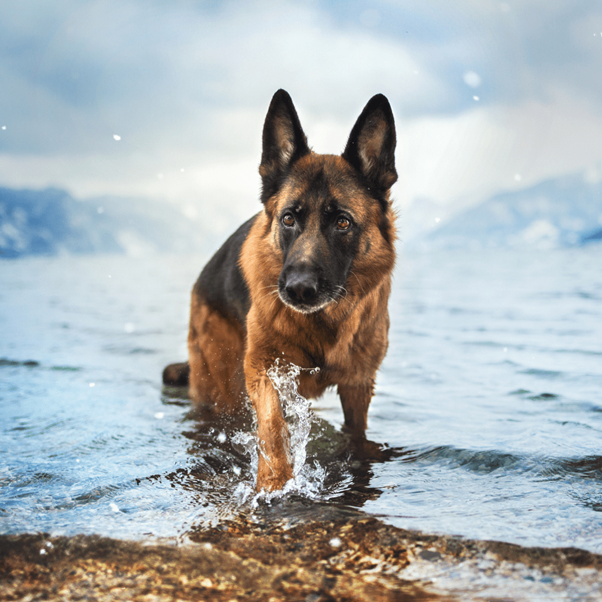
Some breeds, including Labrador Retrievers, German Shepherds, and Jack Russell Terriers, can form particularly strong bonds with their families. This may make some individual dogs more vulnerable to separation-related distress.
Breed is only one factor, however. A dog’s personality, history, training, environment, and daily routine can all influence how comfortable they feel when left alone.
Dog breeds that may be more independent
People with busy schedules may prefer a dog that is comfortable spending short periods alone. The following breeds are often known for having more independent temperaments.
Basset Hound
Basset Hounds are generally calm and laid-back. Although they enjoy spending time with their families, some are also content to relax on their own.
Greyhound
Despite their racing background, Greyhounds are often relaxed at home and are sometimes described as couch potatoes. With gradual training and a comfortable routine, many can learn to settle while their owners are away.
Chow Chow
Chow Chows are known for being reserved and independent. They can form close bonds with their families without always demanding constant attention.
These general breed traits are not guarantees. Every dog is an individual, and even an independent breed can develop separation anxiety.
Understanding your dog’s needs
Regardless of breed, meeting your dog’s physical and emotional needs is an important part of preventing or managing separation anxiety.
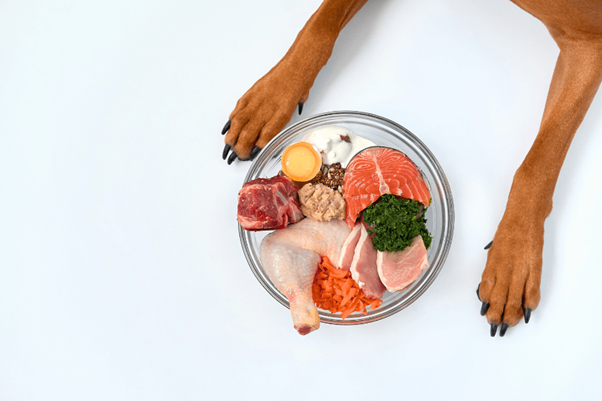
Dogs need more than food, water, and shelter. Regular exercise, mental stimulation, social interaction, rest, and a predictable routine all contribute to their wellbeing.
Before leaving your dog alone, provide suitable exercise and an opportunity to go to the toilet. Enrichment activities, such as food puzzles or safe chew toys, may also help some dogs settle.
How to reduce separation anxiety in dogs
You can help your dog feel more comfortable alone by gradually building their confidence. Helpful steps may include:
- Begin with very short periods apart and increase the time gradually.
- Keep departures and returns calm and low-key.
- Provide regular physical exercise and mental stimulation.
- Create a safe, comfortable place where your dog can relax.
- Maintain a predictable daily routine.
- Arrange a dog walker, pet sitter, or doggy daycare when appropriate.
Helping a dog feel comfortable alone takes time and a consistent routine. When it suits your plans and your dog is comfortable travelling, taking them on a short break can also be a rewarding option. Explore our guide to pet-friendly accommodation in New Zealand for places where your dog can join you.

Avoid punishing anxious behaviour. Separation anxiety is a distress response, not deliberate misbehaviour.
If your dog shows severe or persistent signs of anxiety, speak with your veterinarian or a qualified dog behaviour professional. They can help identify the cause and develop a suitable treatment plan.
Training your dog at home
Training a dog that experiences separation anxiety can feel daunting, but patience and consistency can make a meaningful difference. Our dog training tips for beginners can help you get started.
Begin with simple cues such as “sit”, “stay”, and “come”. Reward your dog with treats, praise, or play when they respond correctly. Keep each session short, positive, and enjoyable to maintain their attention and prevent frustration.
Once your dog is comfortable with basic cues, you can introduce more challenging tasks and environments gradually.
Outdoor walks also provide exercise, enrichment, and opportunities for socialisation. Auckland has many dog-friendly walking areas, including Cornwall Park, Waiatarua Reserve, and One Tree Hill Domain. Explore our guide to Auckland dog parks and walks for more ideas. Follow local rules, use a lead where required, and keep your dog on a lead until their recall is reliable.
Choose a dog that suits your lifestyle
Choosing a dog whose needs suit your lifestyle can help create a happier relationship for both of you. If you regularly spend time away from home, consider an adult dog with a known history of coping well alone rather than relying on breed traits alone.
Research the breed, speak with a reputable breeder or rescue organisation, and learn as much as possible about the individual dog’s personality and background.
No dog should routinely be left alone for excessive periods. Even independent dogs need companionship, exercise, stimulation, and consistent care.
With realistic expectations, gradual training, and a supportive routine, you can help your dog feel safer and more confident when you’re apart.
Dogs and separation anxiety: frequently asked questions
What is separation anxiety in dogs?
Separation anxiety is a condition in which a dog becomes distressed when left alone or separated from its pet parent. Signs may include excessive barking, destructive behaviour, pacing, toileting indoors, and attempts to escape.
Which dog breeds may cope better with time alone?
Basset Hounds, Greyhounds, and Chow Chows are often considered more independent than some other breeds. However, breed alone cannot predict how a dog will respond to being left. Personality, history, training, and routine are also important.
Are some dog breeds more prone to separation anxiety?
Some breeds that form particularly strong bonds with their families may be more vulnerable to separation-related distress. Labrador Retrievers, German Shepherds, and Jack Russell Terriers are commonly mentioned, but any individual dog can develop separation anxiety.
How can I help my dog with separation anxiety?
Build up time alone gradually, maintain a predictable routine, provide sufficient exercise and enrichment, and keep departures calm. For persistent or severe anxiety, consult your veterinarian or a qualified dog behaviour professional.
Can any dog develop separation anxiety?
Yes. Any dog can develop separation anxiety, regardless of breed. A dog’s personality, early experiences, previous home environment, health, and ability to cope with change can all influence their risk.