Ensuring your dog maintains a healthy set of teeth is an essential part of pet ownership. Just like us, our furry friends can suffer from gum disease and tooth decay, which can lead to serious health issues if not addressed. Choosing appropriate natural dog treats for teeth can be one part of supporting your dog's oral health.
The importance of dental health for dogs
Poor dental health in dogs can lead to a host of problems beyond bad breath. Plaque and tartar build-up can lead to painful gum disease and tooth loss. In severe cases, the bacteria can enter the bloodstream and cause damage to your dog's heart, liver, or kidneys.
How can dog treats help improve dental health?
One of the simplest ways to support your dog's dental health is to choose treats and chews designed specifically for this purpose. When dogs chew, it can help scrape off plaque and tartar, improving their dental health. Dental chews combine the action of chewing with ingredients designed to promote oral health.
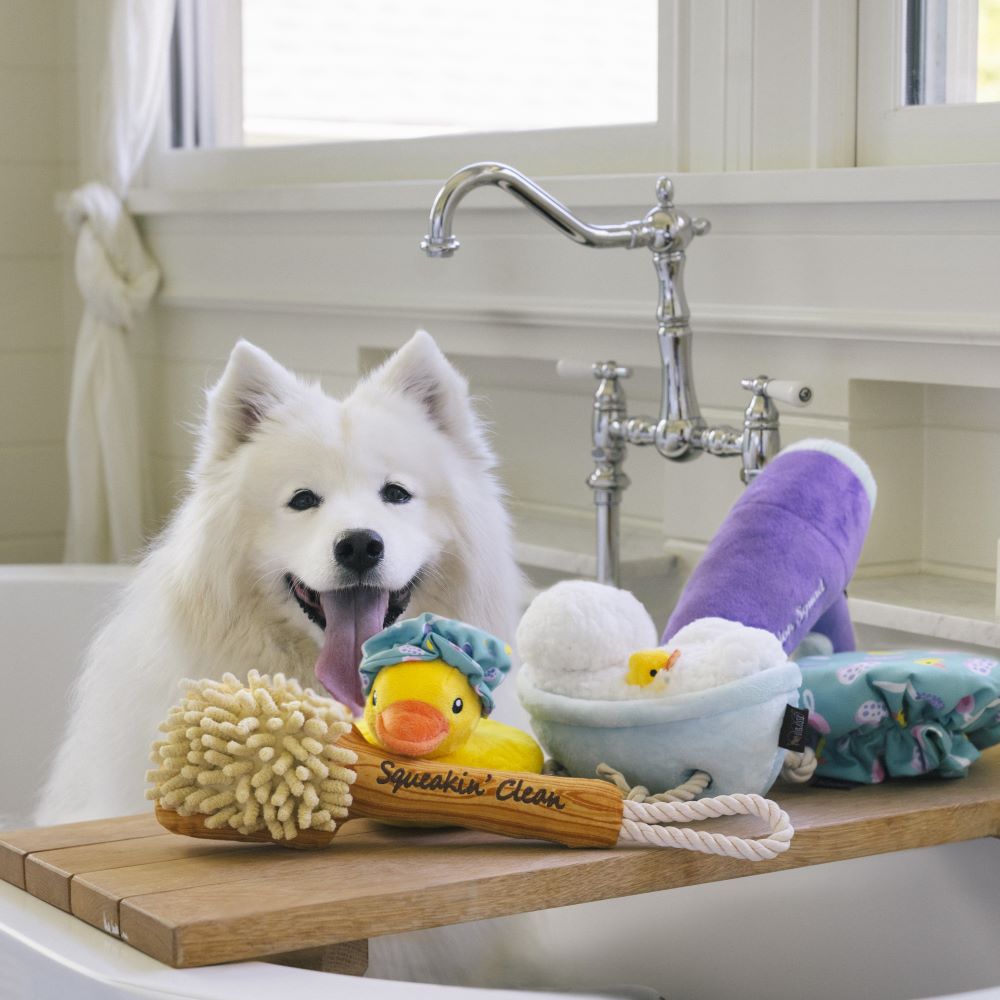
However, a toy that keeps your dog happily occupied is not automatically a dental product. Look for evidence supporting the specific product's dental claims rather than assuming that every chew or textured toy has proven benefits for teeth.
Finding the best natural dog treats for teeth
When choosing a dental treat, consider its size, ingredients and hardness alongside your dog's dietary requirements and chewing habits.
The chew should be an appropriate size for your dog's mouth. Follow the product's sizing guidance rather than choosing solely by appearance, and avoid pieces small enough to be swallowed whole.
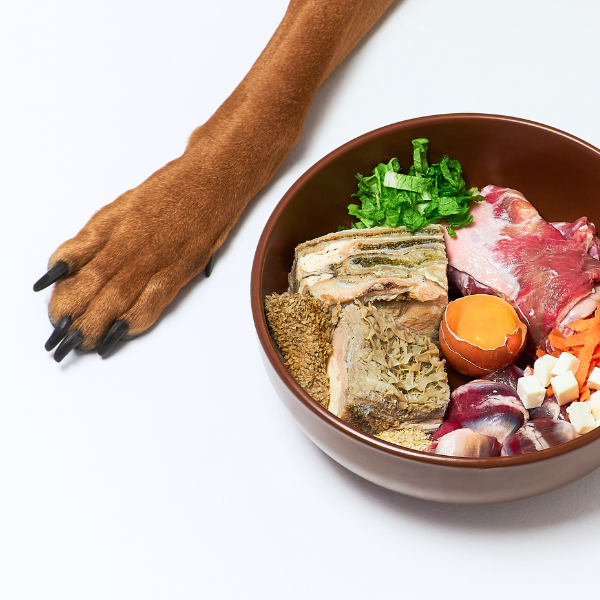
For ingredients, look for clearly labelled treats that suit your dog's diet. If you prefer natural options, check the full ingredient list rather than relying on the word 'natural' on the packaging. Some treats may contain added vitamins and minerals.
How to choose an appropriate chew
- Match the chew to your dog: consider their age, size, dental condition and whether they nibble slowly or try to break off large pieces. Ask your vet about suitable options if your dog has damaged teeth or sore gums.
- Consider hardness: harder is not automatically better for teeth. Very hard chews can fracture teeth, so discuss the options with your vet rather than choosing the toughest product for a strong chewer.
- Check dietary suitability: account for allergies, dietary restrictions and the calories in edible chews. Treats should fit around your dog's usual balanced meals.
- Supervise chewing: stay nearby, inspect the chew regularly and remove pieces that become small enough to swallow or show damage.
- Check the purpose: distinguish products intended for dental care from toys intended for play or general chewing enrichment.
For more chewing and playtime inspiration, explore the Benebone blueberry ring and our guide to natural rubber dog toys. These are ideas for enrichment, rather than substitutes for dental care.
Top picks for natural dog treats for teeth
There are many chew options on the market. Some popular choices include:
Antlers
Natural antlers are long-lasting and packed with beneficial minerals. They are a great option for strong chewers and can help clean teeth and massage gums.
Dental chew sticks
These treats often have a unique shape or texture designed to reach between teeth and under the gum line to clean and remove plaque.
For an insect-based option, explore the dental sticks covered in our Yora dog food guide.
Himalayan dog chews
Himalayan dog chews can improve your dog's oral hygiene. Their easily digestible nature also makes them a good option for dogs with more delicate digestive tracts. They help keep teeth and gums healthy and relieve stress. Himalayan cheese chews are a better alternative to rawhide chews.
Natural raw bones for dogs
Raw meaty bones are one of the best natural chews for maintaining good dental hygiene in dogs. It’s important to select the right type of bone and the right size. Read more about the benefits of raw bones in our 101 Superfoods for Dogs post.
Not recommended: rawhide chews
Rawhide is considered one of the most dangerous dog chews. This is largely due to the risk of choking and digestive tract blockages.
A balanced approach to dental care
While these dog chews can be beneficial for maintaining your dog's dental health, they should not replace regular teeth cleanings or veterinary check-ups. Remember, dental chews are a supplement to, not a substitute for, comprehensive oral care.
Keep routine care separate from treat time. Brush your dog's teeth regularly using toothpaste made for dogs, and ask your vet to demonstrate a comfortable technique. Veterinary dental examinations and professional cleaning, when recommended, address needs that a chew cannot replace.
If you notice persistent bad breath, bleeding gums, difficulty eating or signs of mouth pain, arrange a veterinary assessment rather than trying to solve the problem with a different treat.
The last bite
The right dental treat is one part of caring for your dog's teeth, not the whole routine. Choose for the individual dog, considering their size, chewing habits and dietary needs, and keep up regular veterinary checks. A thoughtful combination of appropriate treats, brushing and professional care is more useful than choosing a chew simply because it is labelled natural.