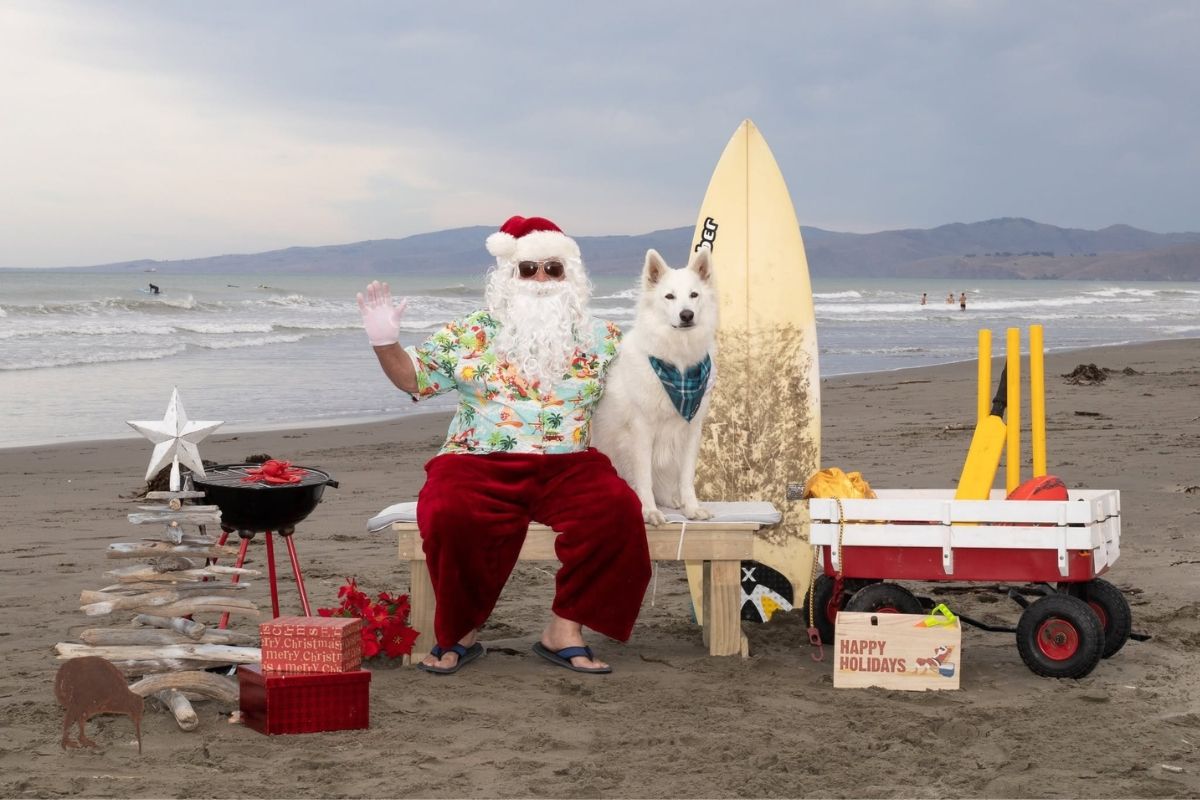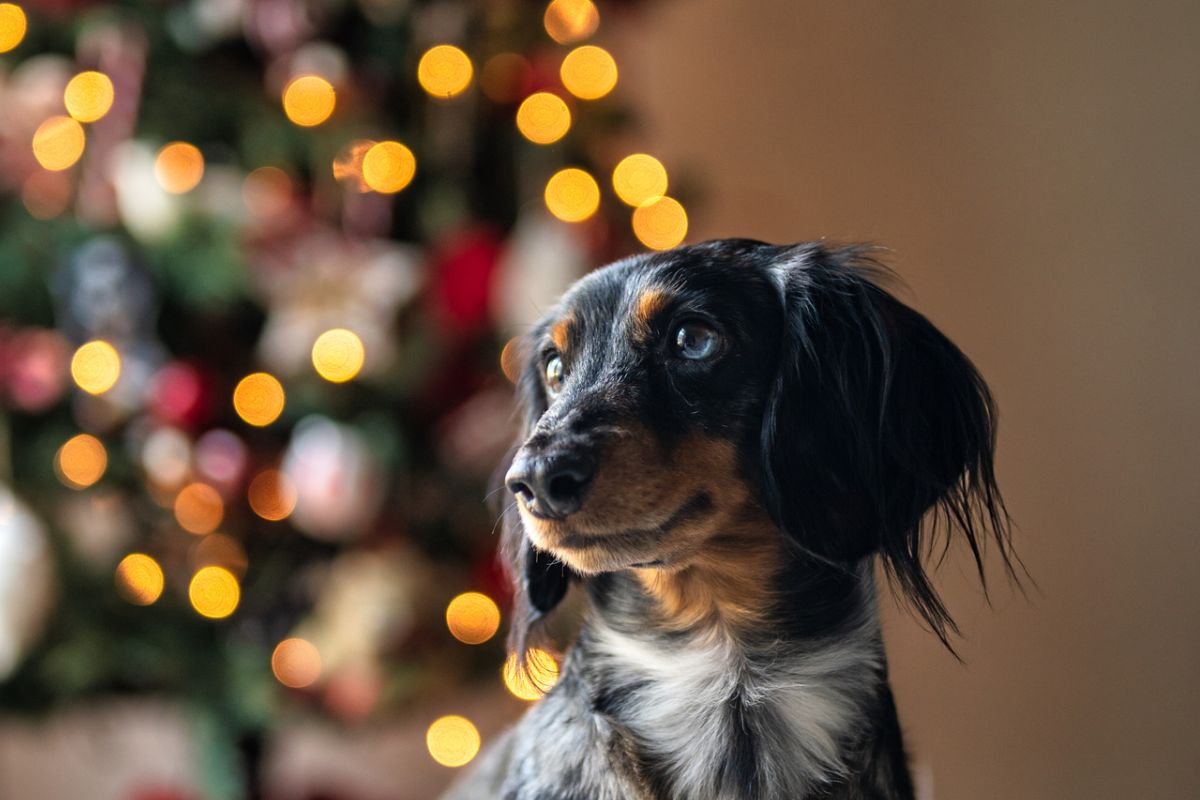
Christmas visitors, backyard barbecues and New Year’s Eve fireworks can make the festive season overwhelming for cats and dogs. Whether your dog gets overexcited at the door or your cat disappears when guests arrive, a little preparation can help. Here’s how to give them a quieter, safer space while you enjoy the celebrations.
1. Set up a quiet retreat before guests arrive
Before the doorbell starts ringing, prepare a dedicated "safe zone" in a quiet bedroom, laundry, or study away from the main entertaining area. Make the space feel familiar and secure so your pet has somewhere comforting to retreat to when the house gets noisy.
- Add familiar scents: set up their favourite bed, a covered crate, or an igloo hideaway along with a blanket that carries comforting scents.
- Include the essentials: place fresh water and a favourite chew or toy in the room. For cats, add a clean litter tray and scratching post so they don’t have to walk past noisy guests to reach what they need.
- Put a sign on the door: a simple note asking visitors, especially children, to keep the door closed helps protect your pet’s quiet space and prevent accidental escapes.
2. Watch for subtle signs of pet stress
Pets may show subtle signs of stress before becoming visibly distressed. Keep an eye out for:
- In dogs: lip licking, excessive yawning when not tired, panting in a cool room, pinned-back ears, tucked tail, pacing, or showing the whites of their eyes ("whale eye").
- In cats: flattened "aeroplane" ears, a low crouched posture, dilated pupils, rapid tail twitching, excessive grooming, or hiding away for hours.
If you spot these signs, give your pet space and encourage them towards their quiet retreat if needed. Growling and hissing are also ways pets communicate that they need a break.
3. Prevent escapes through open doors and gates
With friends and family moving between the house, deck and driveway, festive gatherings can give pets more opportunities to slip out unnoticed. Preventing an escape is much easier than searching the neighbourhood on Christmas Day.
- Use physical barriers: install baby gates across hallways or keep your pet comfortably settled in their retreat room during peak arrival and departure times.
- Assign a "door monitor": ask one family member to keep an eye on your dog or check that ranch sliders and front doors are latched properly whenever guests arrive.
- Check microchip and ID tag details: make sure your pet is wearing a secure collar with an up-to-date phone number, and double-check that your contact details are current on the New Zealand Companion Animal Register just in case they get spooked and bolt.
4. Offer exercise and play before guests arrive
Make time for familiar activities your pet enjoys before visitors arrive. For dogs, this might be a relaxed sniff walk in the morning or a short play session. On fireworks days, the NZVA recommends exercising dogs early in the day so they are not out at dusk when fireworks may begin.
For cats, try a gentle wand-toy game and let them choose when to stop. For more ideas, read our guide to indoor enrichment for cats.
Keep the activity suited to your pet’s age, health and usual routine, with time to rest afterwards. The aim is to offer an enjoyable outlet, not to tire them out.
5. Set rules for visitors and children
Even the friendliest pets can become anxious if they are crowded, hugged, or cornered by people they rarely see. Ask guests to ignore your pet when they first walk in. They should avoid direct eye contact, looming over them or rushing up for pats, and let your cat or dog approach on their own terms.
If children are visiting, give them one simple rule: if a pet is on their bed, inside their crate, or hiding under furniture, they are strictly off-limits. Active adult supervision keeps both kids and animals safe and relaxed.
6. Use enrichment activities to redirect nervous energy
Suitable enrichment gives cats and dogs opportunities to forage, play and explore. Preparing a few familiar activities ahead of time gives your pet something to focus on while guests are mingling.
- Frozen lick mats and stuffable toys: spread your pet’s usual wet food onto a lick mat, or fill a suitable stuffable toy with it. Prepare these before guests arrive and freeze them if the product’s instructions allow.
- Puzzle feeders and snuffle mats: scatter a portion of your pet's daily kibble into a snuffle mat in their quiet room to keep their brain occupied.
- Stick to pet-safe treats: use foods your pet normally tolerates and ask guests to check with you before offering table scraps. Our guide to Christmas food hazards for cats and dogs covers festive foods to avoid.
For feline-friendly activities, explore our guide to enrichment toys and slow feeders for cats.
7. Prepare early for New Year's Eve fireworks
In New Zealand, summer celebrations often bring backyard fireworks around New Year's Eve and local community events. The New Zealand Veterinary Association's fireworks safety guide recommends keeping pets indoors and creating a quiet space with curtains and windows closed. Bring your pets inside before fireworks begin so they are not caught outside when loud bangs start.
- Block out flashes and noise: close all windows, lock cat flaps, and draw the curtains or blinds to help muffle loud booms and hide bright flashes of light.
- Mask sudden bangs: turn on the TV, a fan, a white noise machine, or music to help soften the contrast with sudden outside noises.
- Walk dogs before dark: take your dog out for their evening toilet break before dusk, and keep them on a secure lead.
8. Discuss calming aids and an anxiety plan with your vet
If your pet regularly struggles with visitors or loud noises, speak to your vet about a plan suited to their needs.
- Pheromone diffusers and sprays: ask your vet whether a pheromone product is worth trying as part of your pet’s management plan, and follow the product’s directions for when and where to use it.
- Anxiety wraps: some dogs may find a snug-fitting pressure wrap comforting. Introduce it before the event, when your dog is calm and relaxed, and check that they seem comfortable wearing it.
- Speak to your vet early: if your pet struggles with fireworks or visitors, book a visit ahead of the holidays to discuss a plan for managing their anxiety. This may include changes to their environment, behaviour support and, where appropriate, prescribed medication. Some treatments need advance preparation or a trial before the event, so allow plenty of time.
For more advice, read the NZVA’s fireworks safety guide.
Quick checklist for calmer pets
- Quiet retreat room set up with a bed, water, a litter tray for cats and a sign asking visitors to keep the door closed
- Baby gates or door monitor in place to stop accidental door-dashing
- Microchip and collar ID tag checked and up to date
- Morning walk or play session completed before guests arrive
- Windows, curtains, and cat flaps closed before dusk on fireworks nights
A quiet retreat, familiar routines and a little preparation can help your pets feel more comfortable during the festive season. For more ways to enjoy Christmas together, explore our Christmas with pets hub, including our Christmas dog toy guide and Christmas cat toy guide.