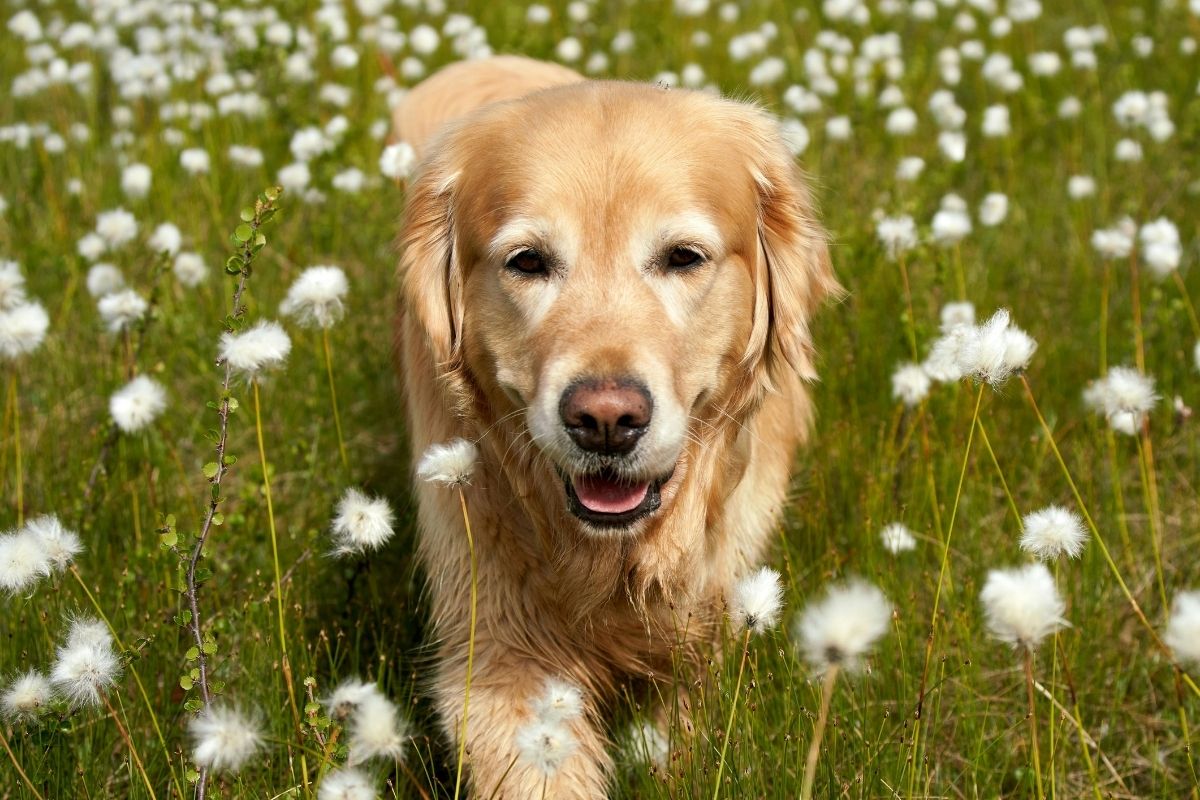
Spring's seasonal coat transition is a natural phenomenon, but managing the volume of shed fur presents real challenges for keeping your home clean. Establishing a spring dog deshedding routine becomes essential as temperatures rise and double-coated breeds release their dense winter undercoats. Unmanaged dead fur becomes trapped against the skin, mixing with natural oils and creating uncomfortable mats that trap allergens and moisture close to your dog's body.
Elevating your seasonal dog grooming routine with well-designed tools not only protects your home from drifting fur but also supports your pet's skin health while keeping them looking their best.
Coat types that require regular deshedding maintenance
Not all canine coats are created equal, and understanding your dog's specific coat type is important for an effective grooming routine. Regular deshedding is particularly useful for breeds that shed their undercoats seasonally, rather than curly-coated breeds like Poodles that require regular clipping.
The main coat types that benefit most from spring dog shedding maintenance are:
- Classic double coats: breeds like Golden Retrievers, German Shepherds, Border Collies, and Newfoundlands have an outer topcoat (guard hairs) paired with a soft, dense insulating undercoat. During seasonal shifts, this undercoat sheds heavily, requiring regular brushing to prevent matting.
- Spitz-type dense coats: breeds such as Siberian Huskies, Pomeranians, Samoyeds, and Alaskan Malamutes have an incredibly thick, plush double coat. Their spring blowouts are notoriously heavy, requiring thorough brushing and specialised tools to lift loose fur away from the skin.
- Wire and combination coats: breeds like Jack Russell Terriers, Schnauzers, and German Wirehaired Pointers have a stiff, crisp topcoat with a short, dense undercoat. While some wire coats require hand-stripping, a gentle deshedding routine can help keep the dead undercoat under control.
When dead hair builds up, it can reduce airflow to the skin, and trapped moisture may contribute to irritation.
The summer shave myth: why deshedding beats clipping
When faced with a massive mountain of spring fur, many pet parents wonder if it is easier to simply clip or shave their double-coated dog to keep them cool for the upcoming Australasian summer. However, professional groomers strongly advise against this.
A dog’s undercoat acts as a natural thermal regulator, keeping them warm in winter and insulating them against extreme heat in summer. Shaving a double coat also exposes their skin to harmful UV rays.
The expert grooming team at Blue Wheelers, one of Australia's largest mobile grooming networks, highlights the vital importance of maintaining a natural coat under the harsh Southern Hemisphere sun:
A dog's natural double coat helps to cover and protect their skin from the sun. Especially for dogs living in Australia and New Zealand, sun protection from their natural coat is vital. Clipping can also disrupt the natural shedding cycle... they will be cooler if their fur is not cut. — Blue Wheelers Grooming Experts
Instead of cutting the hair, an intensive seasonal deshedding routine removes the dead, suffocating winter undercoat while leaving the healthy topcoat intact. This restores airflow to the skin, keeping your dog naturally cool, protected, and comfortable without ruining their coat structure.

How brushing can reduce loose fur and allergens at home
Brushing your dog during the spring transition is about more than maintaining their appearance. It can also reduce the amount of loose fur and outdoor allergens in your home. Loose undercoat fur can collect pollen, dust, and pollution. When your pet moves through the house, this fur sheds onto your furniture, bringing those particles with it. Removing this loose fur helps keep your dog comfortable and your living areas cleaner. If your dog also struggles with seasonal itching, read our guide to managing spring allergies in dogs.
How to build the best at-home dog deshedding toolkit
An essential home deshedding toolkit focuses on different layers of a dog's coat to safely manage a heavy spring coat blowout. Choose grooming tools that suit your dog's coat and feel comfortable to use:
Prep the coat before you brush
Diving straight into a dense winter undercoat with a deshedding tool can cause painful tugging and skin irritation. Preparing the coat first ensures your tools glide through smoothly, lifting dead hair without damaging healthy guard hairs.
- Loosen mats with a conditioning mist: spritzing your dog beforehand softens the fur and creates a protective barrier for the skin. Using a premium botanical spray, such as Melanie Newman Salon Essentials Conditioning Sprays (like the Everyday or Relax mists), infuses the coat with natural essential oils, aloe vera and vitamin E. This hydrates the hair shafts, allows tangles to slip apart naturally, and prevents static electricity from sending loose fur flying around the room.
- Master the line-brushing technique: instead of aimlessly running a brush over the top of your dog's back, use the line-brushing method. Gently push the coat upward with one hand to expose the skin line. Use your slicker brush or undercoat rake in your other hand to brush small sections downward from the skin to the hair tips. Working systematically from the paws upward ensures you clear out the deep-seated winter undercoat without missing hidden mats.
1. The best undercoat rake for double-coated dogs (base layer)
An undercoat rake is the most important tool for double-coated breeds (like Huskies, Golden Retrievers, and German Shepherds). It features curved, rounded metal teeth designed to bypass the topcoat and pull out the dead, trapped winter undercoat before it mats. Look for double-row stainless steel pins set into a smooth beechwood handle to gently clear loose undercoat without irritating the skin.
2. Ergonomic slicker brushes (surface layer)
Slicker brushes are highly versatile and work across almost all coat types. They feature fine, tightly packed wire pins that follow the body contours and catch loose hair on the coat's surface. This tool is ideal for smoothing out minor tangles and removing fine debris after outdoor spring adventures.
3. Deshedding blades and edge tools (topcoat finishers)
Shedding blades are loop-shaped metal tools with small, ridged teeth. They are highly efficient at dragging along the surface of short-to-medium-haired dogs (like Labradors or Pugs) to cleanly sweep away loose topcoat hairs. For heavy-shedding double coats, a deshedding edge tool can help remove loose undercoat. Use it gently and follow the manufacturer's guidance to avoid irritating the skin or damaging the topcoat.
4. Speciality spotlight: the FURminator debate (pros and cons)
When discussing deshedding edge tools, the FURminator is easily the most famous name on the market. While it is incredibly efficient at pulling out massive amounts of loose undercoat, it functions more like a specialised power tool than a standard brush. Understanding its pros and cons is essential for keeping your dog's skin safe:
- The pros: it quickly bypasses the topcoat to grab and extract deeply trapped winter undercoat faster than almost any other tool. This dramatically cuts down on the amount of hair and dander floating through your home.
- The cons: the fine, stainless steel teeth can easily scratch or irritate your dog's skin if you press too hard or glide over the same spot repeatedly (known as "brush burn"). The edge also acts similarly to a tiny blade; if used improperly or on the wrong coat type, it can cut or dull the healthy outer topcoat.
- Safe usage tips: only use tools like the FURminator on completely dry coats. Work with zero pressure, letting the weight of the tool do the work, and avoid repeatedly brushing over the same patch of skin in a single grooming session.
Note: never use edge tools on single-coated, non-shedding breeds (like Poodles or Maltese), as it will alter and damage their unique coat structure.
5. Low-noise pet grooming vacuums
A grooming tool with a quiet vacuum attachment can capture loose fur as you brush, helping prevent hair from scattering across the room.

The post-brushing bath and blow dry
After a heavy deshedding session, a bath helps rinse away residual loose hairs and grooming dust.
- The wash: use lukewarm water and a gentle silicone grooming mitt or soft massage brush to work a dog-friendly shampoo through the coat. This wash removes particles that brushing alone won't lift. Follow with a conditioner suitable for your dog's coat, then rinse thoroughly.
- The blow dry: after bathing, dry your dog thoroughly. A pet dryer on a low-heat setting can help remove excess water and loosen any remaining undercoat; keep it moving and check that the air feels comfortable against your dog's skin.
A post-brushing bath leaves your dog's coat feeling clean and refreshed. If their skin looks irritated after grooming, stop using the tool and seek advice from your vet.
Post-grooming skin care and dander control
- Soothe and protect canine skin: for a finishing touch, lightly mist your dog's coat with a hydrating topical spray. Sugar's Le Soother Dermal Relief Spray can be used on freshly groomed skin to calm minor irritation; follow the product directions and avoid spraying near the eyes.
- Airborne dander control: grooming sessions can release dander and fine hair into your home. Running a high-efficiency HEPA air purifier during and right after brushing your dog can help capture these airborne particles before they settle onto your carpets and furniture. This is an essential step for households with allergy sufferers, as it keeps your indoor air as clean as your freshly groomed pet. Read our comprehensive guide to finding the best air purifier for pet odours and airborne dander.
Elevate your spring grooming rituals
A regular spring grooming routine keeps your home cleaner and your dog infinitely more comfortable as the weather warms up. By pairing the right undercoat rakes, slicker brushes, and botanical conditioning sprays, you can transform a messy seasonal chore into a positive, health-boosting bonding experience for your pet.
What are your go-to secrets for tackling spring shedding? Do you swear by line-brushing, or does your dog love the post-brushing bath? Drop your favourite grooming tips or ask a question in the comments below.
Looking for more ways to reset your dog's lifestyle this season? Take a look at our complete seasonal gear guide: The Dog Edit: Your Spring 2026 Refresh.



Leave a comment
All comments are moderated before being published.
This site is protected by hCaptcha and the hCaptcha Privacy Policy and Terms of Service apply.