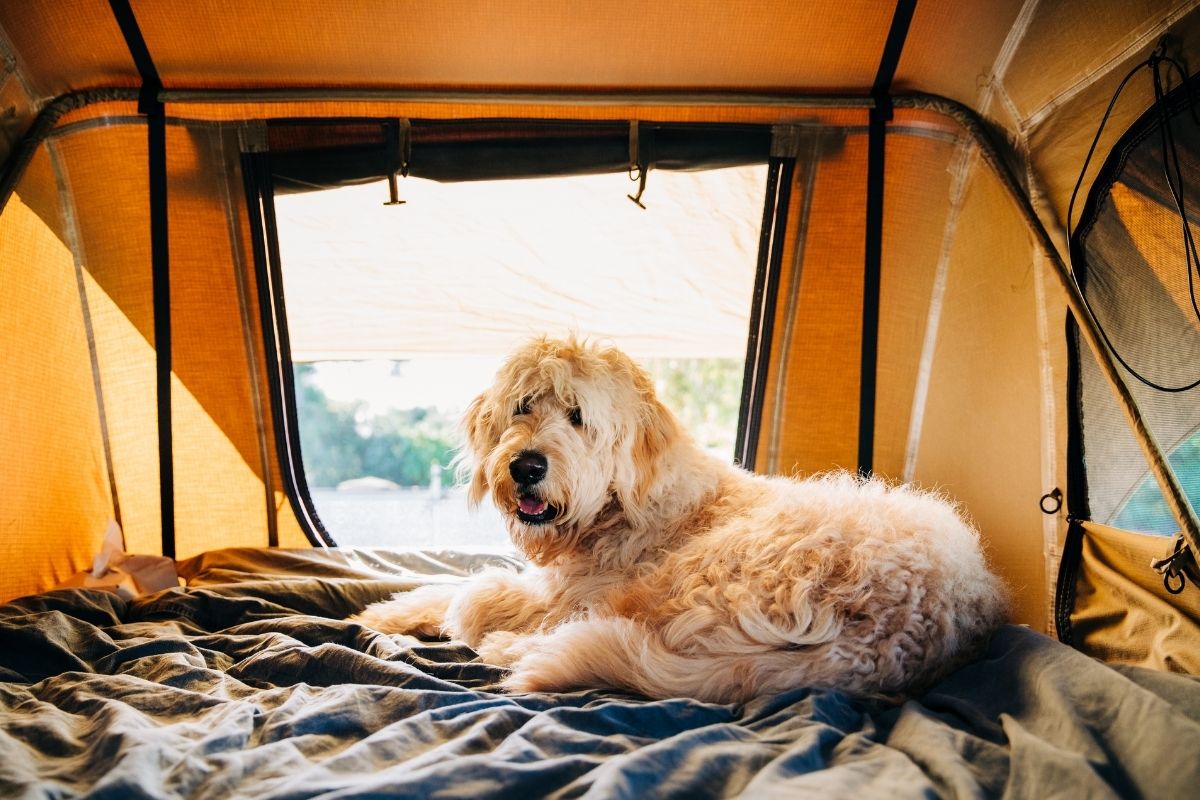
There is nothing quite like exploring the incredible landscapes of New Zealand with your dog by your side. From rugged native bush trails to vast sandy beaches, our country is an absolute paradise for adventurous canines.
However, a successful outdoor adventure requires careful planning. Taking a dog into the wild unprepared can put their safety and local wildlife at risk. Use this hiking and camping checklist to ensure your next trip goes smoothly.
1. Research dog-friendly tracks and campsites
Before loading up the car, verify that your destination explicitly allows dogs.
DOC land rules: Many New Zealand national parks, wildlife sanctuaries, and nature reserves strictly prohibit domestic pets. This is because our unique ecosystem evolved without native land mammals, making ground-dwelling, flightless birds like the kiwi and weka incredibly vulnerable to dogs. To safely navigate public conservation land, you must verify the specific track's classification on the DOC Dogs on Conservation Land Hub. Every public track or park falls under one of three rule sets:
- Open access: dogs are explicitly allowed, often with instructions on whether they must remain on a lead or under absolute voice control.
- Controlled access (permit required): you are legally required to apply for a specialised dog permit from a local DOC regional office at least five days before your trip. Some areas even require your dog to have successfully completed kiwi aversion training.
- Prohibited access: dogs are completely banned from entering the area, including inside your parked vehicle or tent. Breaking these rules can result in steep infringement fines or prosecution.
According to DOC, dogs can only go onto public conservation land where dog access has been approved, unless there is written approval or the dog is a certified assistance dog. — Wyld Peak's NZ Hiking Guide.
Before locking in your itinerary, type your trail name into DOC's "Where Can I Take My Dog" search tool to see its exact restrictions, permit requirements, and seasonal wildlife boundaries.
- Campsite bookings: look for pet-friendly holiday parks or designated DOC campsites that allow dogs. If you plan to use backcountry facilities, check if you need a DOC campsite booking or a regional dog permit ahead of time.
2. Essential gear to pack for your dog's camping trip
If you are planning an overnight or multi-day camping trip, your dog needs a dedicated adventure pack just like you do.
- Durable harness, long-line lead, and up-to-date ID tags: a rugged, bright harness with a sturdy handle is essential for assisting your dog over difficult track obstacles. Ensure your dog wears a collar with secure ID tags featuring your current phone number in case you lose cellular reception in the bush. Crucially, before heading into remote areas, log in to verify that your pet's microchip contact details are current with the New Zealand Companion Animal Register (NZCAR), ensuring you can be reached immediately if your dog accidentally runs off into the bush.
- Up-to-date parasite prevention: before heading out, ensure your dog is fully up-to-date with flea, tick, and worming treatments. The New Zealand bush exposes dogs to ticks, and roaming near farmland can expose them to sheep measles. Check the MPI Biosecurity Guidelines or consult your vet to ensure their protection is current.
- High-energy dog food: hiking burns significantly more calories than a standard neighbourhood walk. Freeze-dried dog food is an excellent, shelf-stable option for multi-day trips because it is incredibly lightweight to pack into your tramping kit. Simply add clean water to rehydrate it before serving. Leaving it dry can act like a sponge in your dog's gut, leading to painful bloating or dehydration on the trail. To find out how this method stacks up against other premium options, read our detailed comparison of Raw vs. Air-Dried vs. Freeze-Dried Dog Food. Remember to also pack 20% to 30% more food than your dog's standard daily serving to match their increased energy output.
- Compostable poo bags: always pack enough waste bags to clean up after your dog. Because New Zealand's native bush lacks native land mammals, dog waste introduces nitrogen and bacteria that disrupt the local soil chemistry and harm native plants. Plan to pack all waste out with you, following the Leave No Trace New Zealand principles.
- A compact dog bed (roll-up mats or raised travel beds): ground temperatures can drop rapidly overnight in NZ campsites, especially in alpine zones or deep bush valleys. Roll-up travel mats are ideal because they are lightweight, pack down small, and insulate your dog from cold, damp soil. Alternatively, a lightweight, collapsible raised dog bed is an excellent option for campsite base camps. Elevated beds keep your pup completely off the freezing ground, promote airflow to prevent dampness from seeping into their coat, and offer superior joint support after a long day of tramping.
- Collapsible food & water bowls: keep your dog hydrated with clean water. Do not let them drink from stagnant puddles or slow streams, as these can host harmful Giardia parasites or toxic blue-green algae blooms.
- A pet first-aid kit: Pack cohesive bandages, saline wash for flushing out muddy eyes, tweezers for removing splinters, and pet-safe antiseptic cream.
3. Setting up a safe campsite containment space
Setting up camp requires a plan to keep your dog secure while you pitch your tent, cook over an open flame, or relax by the fire. Giving your dog a designated "safe zone" prevents them from wandering off in pursuit of nocturnal wildlife like possums.
- Secure stake-out lines: a heavy-duty ground stake paired with a secure tie-out line gives your dog room to move around your immediate campsite area without letting them slip off into the darkness or encroach on neighbouring camp plots.
- Collapsible travel playpens: for smaller dogs or puppies, a fabric pop-up playpen keeps them fully enclosed, out from underfoot, and safe from crawling insects or damp grass.
- Portable dog crates: if your dog is crate-trained at home, a soft-sided travel crate provides a familiar, den-like sanctuary inside or just outside your tent. This is particularly useful for helping anxious dogs decompress in busy holiday parks.
4. Dog fitness and weather preparation
Tragically, many problems on the track stem from simple exhaustion or sudden temperature changes in the Kiwi elements.
- Assess age, fitness, and stamina: before tackling any major trails, honestly evaluate your dog's physical readiness. Senior dogs and growing puppies have more fragile joints and should avoid steep or high-impact routes. Start with shorter regional trail walks and gradually increase the distance to improve their paw-pad endurance.
- Check the weather and temperature: always check the local MetService forecast before leaving. Dogs struggle to regulate their body temperature, so it is best to avoid hiking during peak summer heat. If the forecast looks warm, plan your trek for the cooler morning or late evening hours to prevent heatstroke, and ensure you have extra water available.
Top dog-friendly walks in New Zealand
If you are looking for tried-and-tested tracks that welcome your furry friend, here are five popular, scenic trails managed by DOC where dogs are allowed:
- Mount Iron Track (Wanaka): a fantastic, popular loop track offering 360-degree views of the Southern Alps and Lake Wanaka. Dogs are welcome on a lead, making it a great option for energetic pups.
- Waitakere Ranges Regional Park (Auckland Region): if you are based in or visiting the City of Sails, selected tracks within this rugged kauri forest allow dogs on a lead. It is a beautiful way to experience native coastal rainforest and dramatic West Coast views. For more local spots to explore closer to the city, check out our comprehensive guide to Auckland Dog Parks: The Ultimate Guide for Your Furry Friend.
- Kauaeranga Valley / Cookson Kauri Walk (Coromandel): while many parts of the Coromandel are restricted, the stunning Kauaeranga Valley offers specific tracks and DOC campsites where dogs are permitted with a standard DOC permit.
- Te Ara Piko Pathway (Pauatahanui, Wellington): a scenic, flat boardwalk option winding around the edge of the Pauatahanui Inlet. It is fully accessible and perfect for a relaxed day walk with an on-lead dog.
- Rakaia Gorge Walkway (Canterbury): a breathtaking trail that follows the rim of the spectacular Rakaia Gorge, offering views of the vivid blue glacial water below. Pups are welcome on a lead, but keep an eye out for steep drop-offs.

Outdoor adventure packing list
Quickly scan this checklist before heading out the door:
- High-visibility harness and secure ID tags.
- Certified compostable waste bags.
- Portable microfibre towel for muddy paws.
- Extra portions of high-energy food or air-dried treats.
- A secure stake-out line for around the campsite.
Track etiquette for Kiwi dogs
Always practise Leave No Trace principles. Keep your dog under absolute control at all times, and yield to other hikers on narrow bush paths.
Always keep your dog securely on a lead around livestock, as many New Zealand regional tracks cross active farmland or high-country stations where loose dogs can stress grazing stock or face legal action from landowners. To make these sudden transitions easier, pack a zero-fumble tool like the Zee.Dog Slip Leash in your backpack. It is a great way to bring your dog under control instantly without fumbling with clips if sheep or cattle suddenly appear over a ridge. Finally, always pack out your dog's waste bags to keep our natural bush areas pristine.
Planning a longer holiday across the country? Take a look at our curated guide to top pet-friendly stays and boutique Airbnbs in New Zealand!

Leave a comment
All comments are moderated before being published.
This site is protected by hCaptcha and the hCaptcha Privacy Policy and Terms of Service apply.