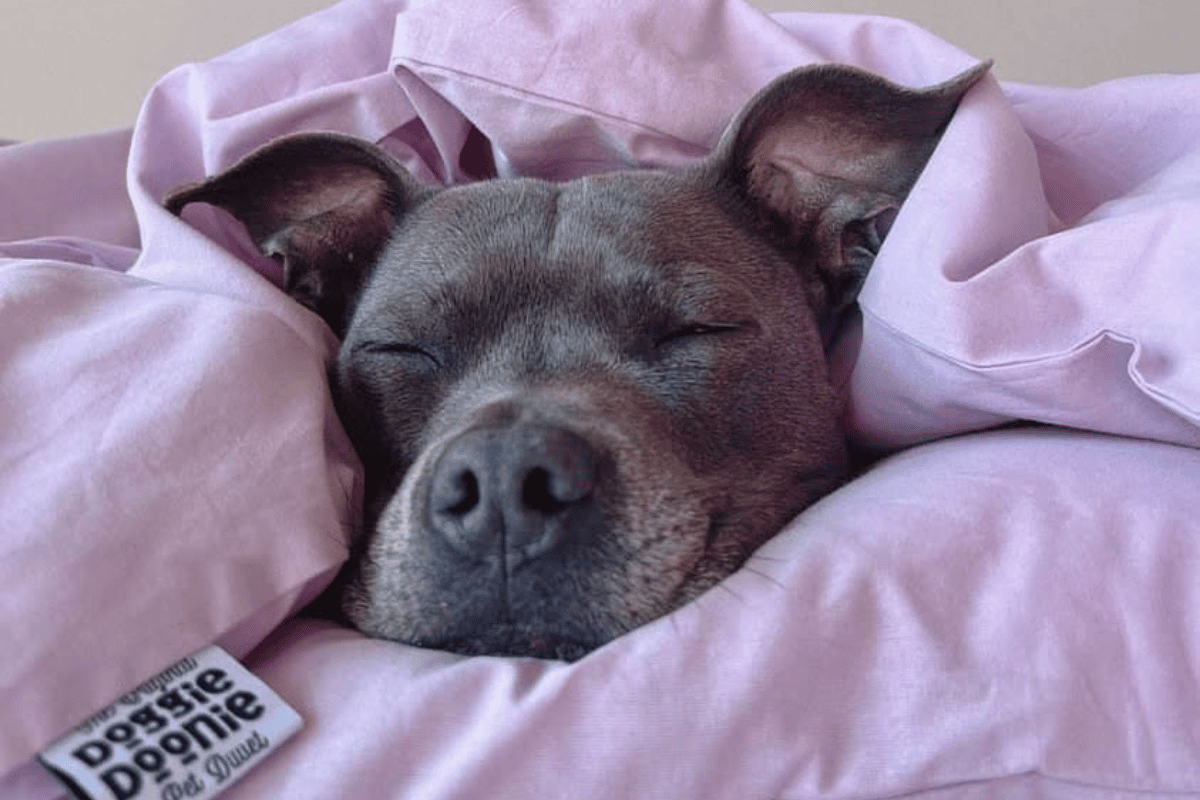
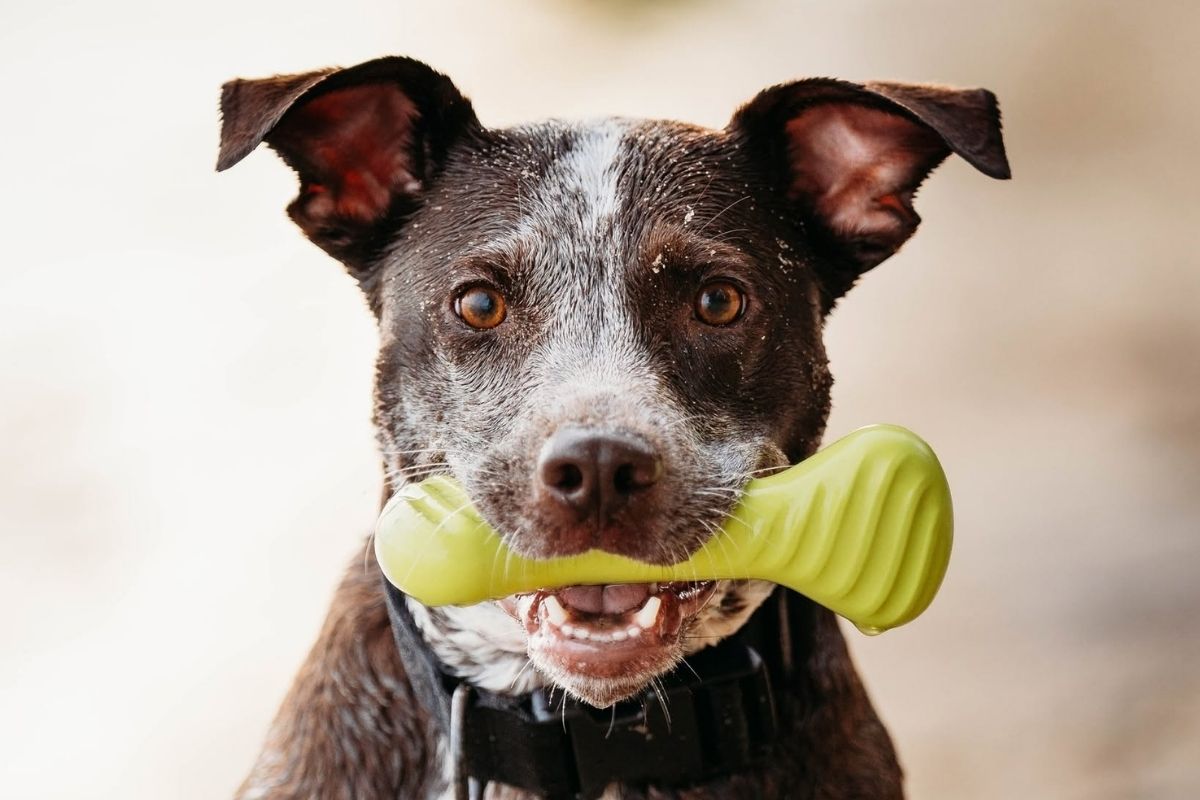
Loud dogs deserve gear that matches their energy without getting in the way of comfort, movement, or everyday chaos. Borkd handmade dog apparel is as loud as your dog’s personality. From a statement dog bandana to a cozy dog coat, the goal is simple: personality first, comfort always.
What makes Borkd dog apparel different?
Handmade in New Zealand, Borkd designs are limited edition and made in small runs. Standing out in the crowd has never been easier with their bright and bold statement pieces which include fleece lined dog coats and colourful dog bandanas.
Borkd dog apparel is not just about bright colours. It is clothing designed to reflect unique personalities while staying easy to wear, easy to clean, and suitable for real movement. A vocal, playful, or high-energy dog needs pieces that sit securely, avoid unnecessary bulk, and let them walk, sniff, bark, nap, and repeat.
For owners, this kind of dog fashion is also a form of expression. A cheeky print or standout pattern can say what everyone already knows: this dog has opinions. Borkd - Loud Apparel for Loud Dogs captures that spirit by putting character at the centre of the wardrobe, not treating pet clothing like an afterthought.
Handmade dog apparel can be a strong choice when you want something that feels more personal than mass-market basics.
Comfort comes before the statement
A great look fails quickly if the fit is awkward. Before choosing any dog jacket, dog coat, tee, or bandana, think about how your dog moves. Active dogs need room through the chest and shoulders, while shorter-legged or long-bodied breeds may need extra back length.
Apparel check-list:
- Measure the neck, chest, and back instead of guessing from breed alone.
- Check whether the garment allows natural walking, sitting, and lying down.
- Avoid tight arm openings, stiff seams, or heavy layers.
- Choose adjustable closures when your dog is between sizes.
- Watch your dog’s body language; awkward movement can mean the fit is wrong.
- Soft, breathable fabrics are especially useful for daily wear. For colder walks, a warm dog coat keeps them snug, while a lightweight dog bandana can deliver personality without adding heat.
Keeping loud looks fresh
Care is part of good style and dog clothing should be washed regularly. Shake off loose dirt and fur before washing, follow the garment’s care instructions, and close velcro fasteners before laundering to reduce snags. Air drying is gentler and recommended for printed or handmade pieces, and rotating apparel helps each item last longer.
Loud dogs bring noise, joy, and big personality into everyday life. Their apparel should celebrate that energy while respecting comfort, fit, and function. Choose pieces that move well, clean easily, and make people smile, because the best dog fashion is not just seen; it feels true to the dog wearing it.
Shop Borkd Handmade Dog Apparel online
Follow @Borkd.nz on Instagram
Frequently Asked Questions
How do I know if my dog likes wearing clothing?
Dogs wearing apparel may need time to adjust, especially if they have never worn anything before.
Start by introducing the coat or jumper indoors and keep the initial session short rather than using it on a lengthy walk right away.
Pay attention to body language. Relaxed movement, normal sniffing, and interest in treats are good signs. Stress signals can include pinned ears, a tucked tail, refusing to move, excessive scratching, or trying to bite the jacket. If your dog dislikes heavy clothing, try a lighter vest style before moving to thicker canine outerwear.
When does my dog need a warm dog jacket?
Warm dog jackets are useful when cold weather affects your dog’s comfort, safety, or willingness to walk.
Short-haired, toy breeds, slender dogs, older dogs, and those with health or mobility problems might need extra warmth more frequently than hardy, double-coated breeds.
Signs your dog may be cold include shivering, lifting paws, slowing down, tucking the tail, or trying to head home.
For winter use, prioritise insulation, wind coverage, and a secure belly or chest closure. The jacket should still allow your dog to walk, run, sniff, and relieve themselves normally.
How should a dog jacket fit around the chest, neck, and body?
A well-fitting jacket should sit close to the body without squeezing. You should be able to slide a couple of fingers under the neck and chest areas. The back should cover enough of the body to provide warmth, but it should not press into the tail or interfere with toilet breaks.
Watch your dog walk in the jacket before removing tags or committing to regular use. Look for rubbing under the front legs, bunching over the shoulders, or shifting to one side. If your dog freezes, scratches, or moves awkwardly, the problem may be fit, or they need time to adjust.
How should a dog jacket fit around the chest, neck, and body?
A well-fitting jacket should sit close to the body without squeezing. You should be able to slide a couple of fingers under the neck and chest areas. The back should cover enough of the body to provide warmth, but it should not press into the tail or interfere with toilet breaks.
Watch your dog walk in the jacket before removing tags or committing to regular use. Look for rubbing under the front legs, bunching over the shoulders, or shifting to one side. If your dog freezes, scratches, or moves awkwardly, the problem may be fit, or they need time to adjust.
What measurements do I need for dog coat sizes?
Most dog apparel sizes depend on three measurements: back length, chest girth, and neck circumference. Back length runs from the back of the neck to the base of the tail. Chest girth is measured around the widest part of the ribcage, which is often the most important fit point because a jacket that is tight across the chest can restrict movement.
To take acurate body measurements, use a soft measuring tape while your dog is standing naturally. If your dog falls between sizes, check the brand’s guidelines rather than automatically sizing up. A jacket that is too large may twist, gap, or slide, while one that is too small can rub behind the front legs and restrict movement.
Do not rely only on breed labels, because dogs of the same breed can vary widely in chest depth, weight, and body length.
How do I choose the right dog coat for my dog?
The best canine outerwear should fit securely, allow natural movement, and provide the right level of warmth or weather protection without irritating your dog. Choose a dog coat by matching fit, function, and comfort to your dog’s needs. A small, short-haired dog in a cold climate may need a fleece coat, while a thick-coated dog may only need a lightweight rain layer. Senior dogs, puppies, thinner breeds, and dogs recovering from grooming often need additional warmth at night or on colder days as they can lose body heat faster.
The best choice of dog coat is the one your dog can wear confidently - if the apparel makes your dog uncomfortable, it is not serving the dog or the look.